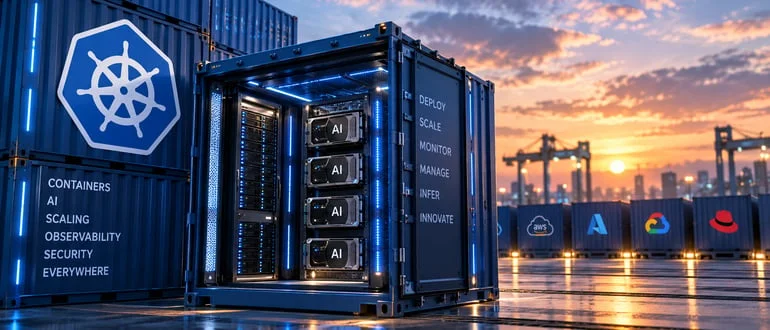
Tesla's Shanghai Data Center Remains Operational Amid FSD Developments
Clarification from Tesla Insider
A representative from Tesla China stated on August 26 that recent reports regarding the supposed closure of the Shanghai data center are unfounded. This facility was established to aid in the deployment of Full Self-Driving (FSD) technology in the region. The clarification comes amid heightened scrutiny on data privacy and compliance in China, particularly for foreign tech companies. Here's the thing: there's a lot at stake for Tesla, as any misstep could have significant repercussions in one of its largest markets.
This denial of closure shines a light on the broader tensions between Western tech giants and Chinese data regulations. As countries grapple with the balance of technological innovation and data security, Tesla's proactive stance on maintaining a localized data center is attempting to position it favorably amid these complexities. The company's operations are not just about technological advancement but also about navigating a tricky regulatory environment.
Focus on Local Compliance
Current information suggests Tesla continues to work on local data compliance and FSD adaptation. The Shanghai center is designed to store data within China, ensuring adherence to local regulations. Moreover, an AI training center in Lingang has been operational since February, further supporting Tesla's initiatives. The company is collaborating with Baidu Maps to generate compliant high-definition cartography.
These actions reflect a strategic pivot by Tesla to foster local partnerships and comply with China's stringent data storage laws. Following the implementation of regulations by Chinese authorities that require data related to certain critical technologies to be stored domestically, Tesla's efforts seem to align well with national priorities. This move not only demonstrates Tesla's commitment to compliance but also strengthens its competitive edge in the market. If you’re working in this space, keeping an eye on how tech companies adapt to these regulations might provide insights into broader industry trends.
Creating a partnership with a local mapping service like Baidu Maps is no coincidence. Traditional Western mapping technologies haven’t always had the local nuance necessary for accuracy within Chinese borders. By leveraging local tech, Tesla's approach not only aligns with compliance but may also enhance the effectiveness of its FSD product. This localized data strategy is poised to potentially accelerate FSD's performance through tailored training and adjustments based on regional driving patterns.
Implications for the Future of FSD in China
The ongoing work on FSD technology and local compliance could signal a significant turning point for Tesla’s operations in China. The future availability of FSD Supervised subscriptions remains an unresolved concern. While Tesla's website indicates plans for market readiness, the lack of formal rollouts raises questions about the timeline and regulatory approvals. What this means for you is that the path to FSD adoption in China may be more complex than anticipated, depending heavily on evolving regulations and market feedback.
The interplay of local compliance and advanced technology isn't just a hurdle for Tesla; it's illustrative of the entire tech industry's future in China, as more companies may need to consider similar adaptations. This isn't purely a business decision—it's a broader commentary on how international firms may navigate local laws, which are often a patchwork of complexities designed to safeguard national interests. The risk of alienation from one of the world's largest automotive markets looms large if businesses fail to comply.
This geopolitical angle is something many investors overlook. The Shanghai data center represents more than just a storage facility for data—it encapsulates Tesla's larger strategy of embedding itself within the local ecosystem. With every move, whether it's enhancing FSD capabilities or ensuring compliance, Tesla aims to build trust with consumers and regulators alike. This is more significant than it looks; successful adaptation could enable Tesla to solidify its position in a market that's critical for its global ambitions.
Market Availability Status
While FSD Supervised subscriptions aren’t currently accessible in China, Tesla's website still indicates that the system is designed for use in the market. This highlights the ongoing commitment to FSD development despite the lack of formal rollouts. The company's ability to maintain customer interest in a feature that isn't yet fully available may speak to Tesla's branding acumen, but it also hints at potential dissatisfaction among eager customers.
The anticipation surrounding FSD is palpable, fueled by the promise of full autonomy and convenience. However, it's crucial to temper expectations in the face of regulatory hurdles and technical challenges. Comparatively, other automakers have struggled to deliver on similar promises, leading to consumer skepticism. Tesla's strategic focus on compliance and local data management could bolster consumer confidence, but until there's a clear timeline for availability, many may remain cautious.
As Tesla continues to work exclusively within China's regulation framework, its experience may offer vital lessons to other companies looking to enter or expand in this market. Borders aren't just physical; they’re also digital and regulatory. Transitioning smoothly through these borders requires agility and foresight, which might be the true test for many competitors. There’s no doubt that how Tesla navigates this environment will set the tone for future innovations in the automotive tech space.
Ultimately, the long-term implications of Tesla's strategies in China could resonate beyond just the automotive sector, influencing how tech companies approach international markets. Success or failure here may redefine the blueprint for operational strategies in heavily regulated environments. Only time will tell if this approach pays off as Tesla aims to transform the transportation sector on a global scale.