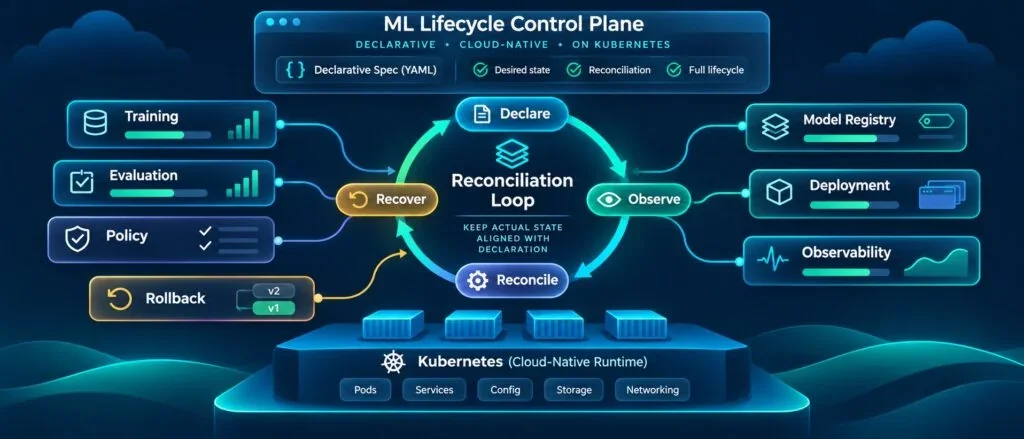
Kubernetes-Native ML Platforms Need Declarative Lifecycle Control
Kubernetes can run ML workloads, but declarative lifecycle management connects training, evaluation and deployment into observable, recoverable systems.
Cloud platforms, services, and infrastructure
Found 53 articles
Kubernetes can run ML workloads, but declarative lifecycle management connects training, evaluation and deployment into observable, recoverable systems.
CIQ’s open-source Stratum SKE packages Kubernetes components in one signed binary, with managed upgrades and tiered tools for AI agents.
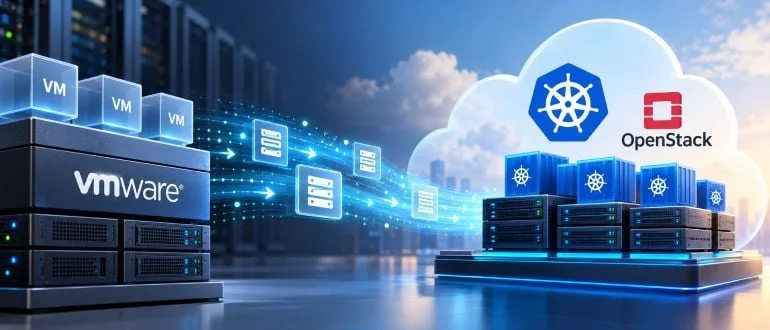
Mirantis will assess and help move VMware workloads to its OpenStack-based Kubernetes platform, with typical migrations taking about five weeks.
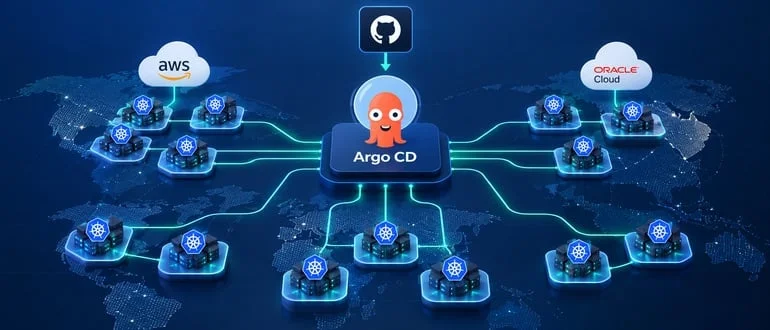
A Lucid Motors platform used one Argo CD hub for 34 clusters, with configuration contracts, rendered diffs and safeguards to manage scale.
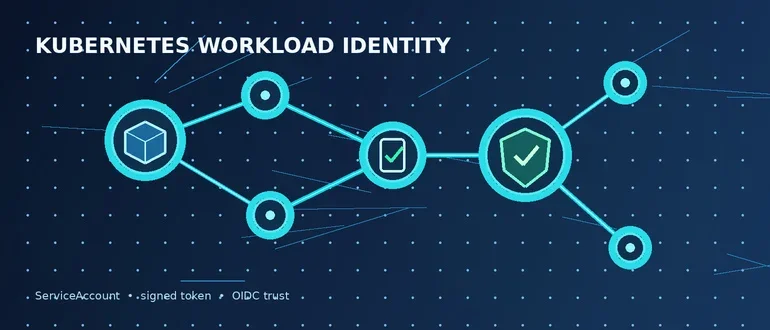
Kubernetes workload identity links ServiceAccounts, signed short-lived tokens and receiver-side authorization to give workloads secure access without permanent cloud credentials.
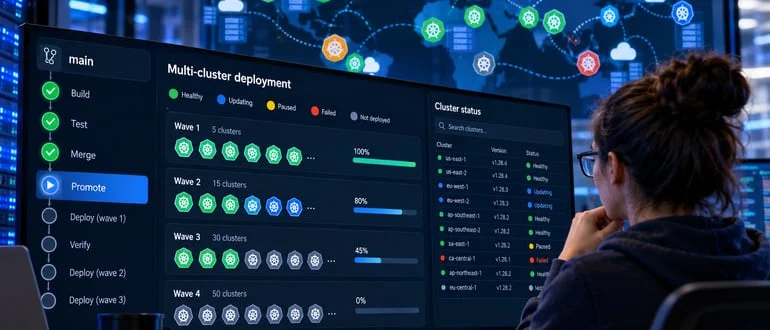
Staged release promotion helps teams track versions, verify changes and stop faulty deployments before they reach hundreds of Kubernetes clusters.
IaC puts agent-proposed infrastructure changes through previews and human review while helping teams manage Kubernetes upgrades, drift and hybrid environments.
Service virtualization tools must adapt to cloud-native demands, ensuring accurate testing in environments with frequent, independent microservice deployments.
Explore how deploying a headless WordPress on Kubernetes enhances scalability and performance, transforming content delivery in modern web applications.
Contextualizing malware indicators with threat intelligence improves detection and response efforts, guiding analysts toward more effective security measures.
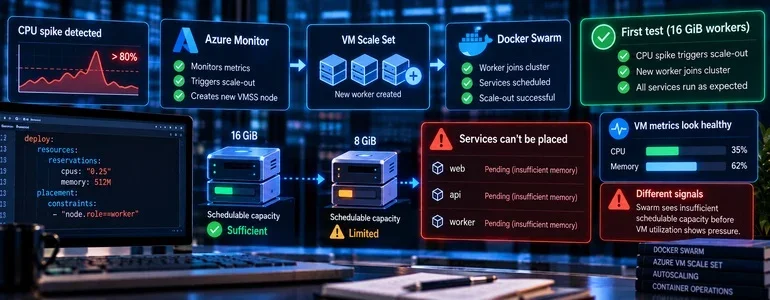
Discover how to enhance autoscaling strategies by bridging the gap between scheduler insights and infrastructure performance metrics.
Despite the growth of Azure Kubernetes Service, resource utilization inefficiencies reveal a significant waste in CPU and GPU resources that organizations must address.
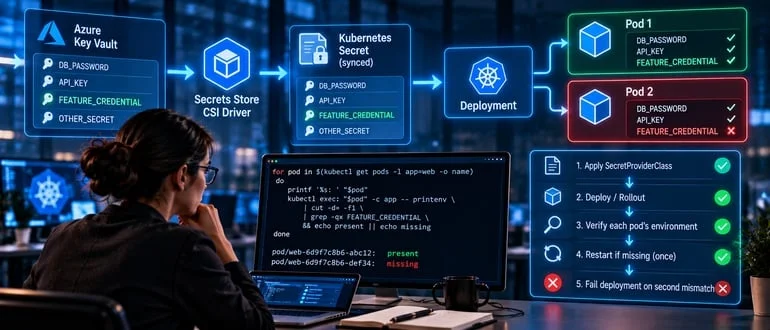
A Kubernetes deployment issue resulted in one pod reflecting outdated environment variables due to asynchronous secret synchronization. Here's an analysis.
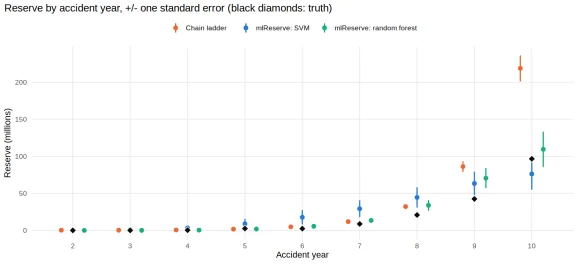
The mlReserve function leverages machine learning to improve loss reserving accuracy, outperforming traditional models in key scenarios.
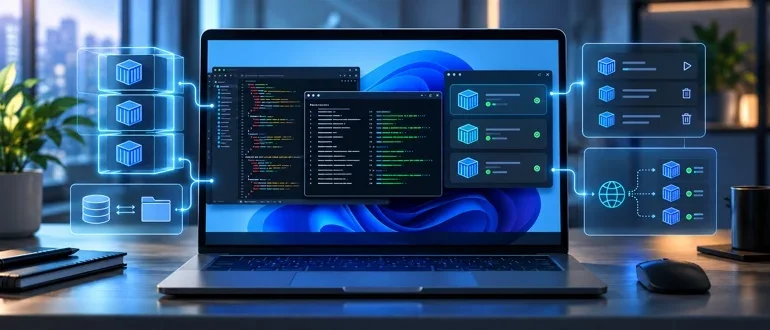
Microsoft's latest WSL release integrates direct Linux container support into Windows, enhancing developer experiences and streamlining workflows.
Effective ransomware defense relies on proactive threat intelligence, enabling organizations to identify risks before attacks escalate and reduce damage.
Observability must address the complexities of enterprise environments, leveraging diverse architectures rather than solely cloud-native perspectives.
CloudBolt's new feature for Kubernetes offers granular visibility into GPU utilization, helping IT teams optimize resource allocation effectively.
Karmada's recent CNCF graduation marks its readiness for enterprise use, supporting advanced AI workloads and unified control across Kubernetes clusters.
Groundcover has acquired Wand to boost its Kubernetes resource optimization capabilities, paving the way for smarter IT infrastructure management.