Shifting Focus: H3C Advocates for Token Efficiency in AI Infrastructure
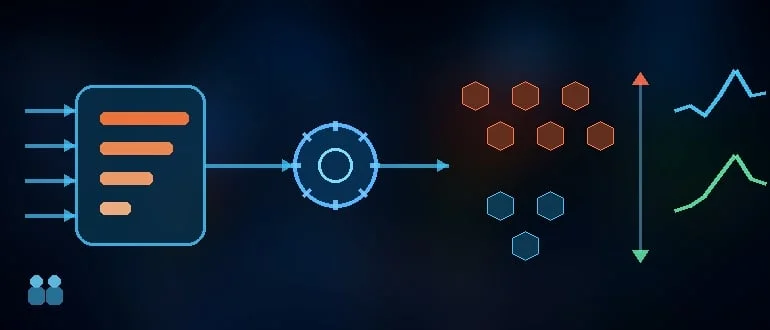
H3C emphasizes the importance of optimizing token efficiency in AI infrastructure over merely increasing GPU counts at the 2026 Apsara Conference.
Cloud platforms, services, and infrastructure
Found 53 articles
H3C emphasizes the importance of optimizing token efficiency in AI infrastructure over merely increasing GPU counts at the 2026 Apsara Conference.
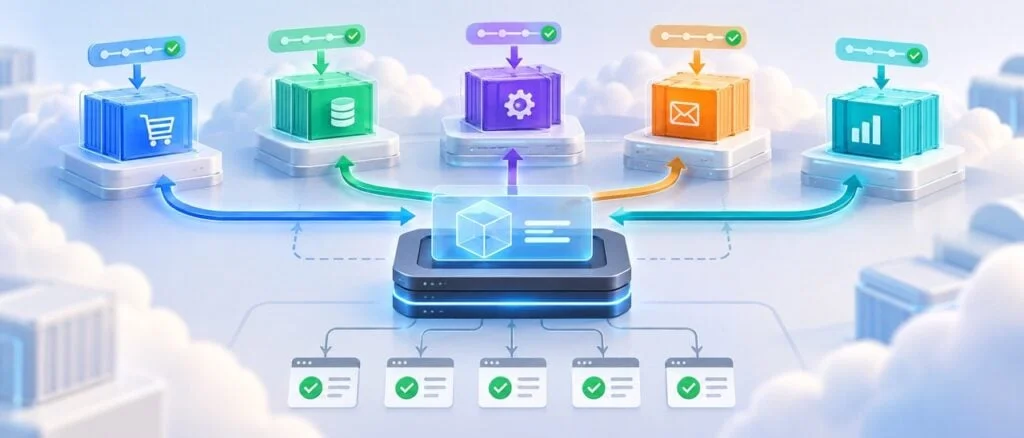
Explore essential traits of dependency mocking software tailored for cloud-native architectures, focusing on automation and accurate behavior capture.
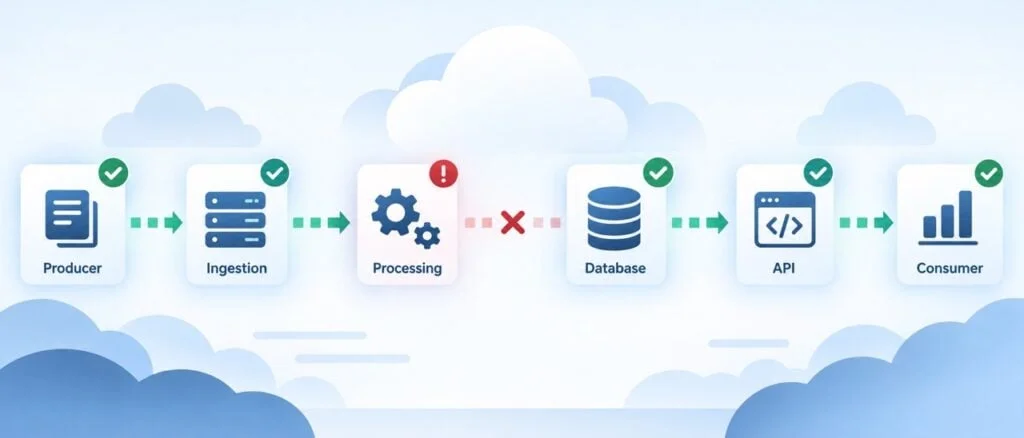
Rethinking health checks for cloud-native applications means recognizing the importance of data freshness alongside service availability.
Huawei Cloud is set to launch its Ascend 950 AI cluster service in China by September and expand globally by November 30.
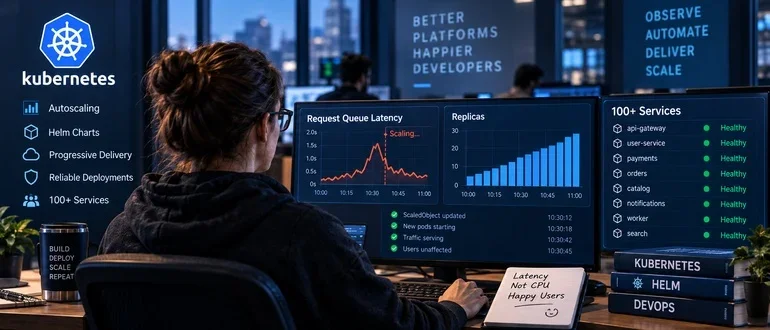
Queue latency, not CPU, is the best metric for scaling Rails applications in Kubernetes, ensuring responsive user experiences during traffic spikes.
Production-safe security testing is vital for cloud-native applications, identifying vulnerabilities in real-time to protect against evolving threats.
Kubernetes adapts to AI workloads by integrating new operational features, reshaping cloud-native environments while maintaining familiar infrastructures.
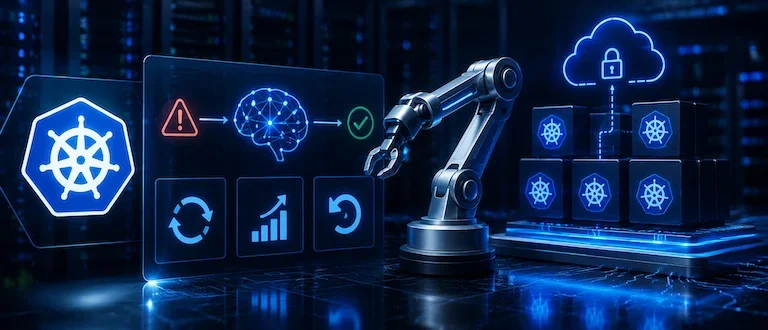
DataAgent has launched with $10 million funding to deliver an AI-driven remediation platform that tackles Kubernetes incidents autonomously.
Traditional GRC practices fall short in cloud-native settings; continuous assurance emerges as the necessary approach for effective compliance and risk management.
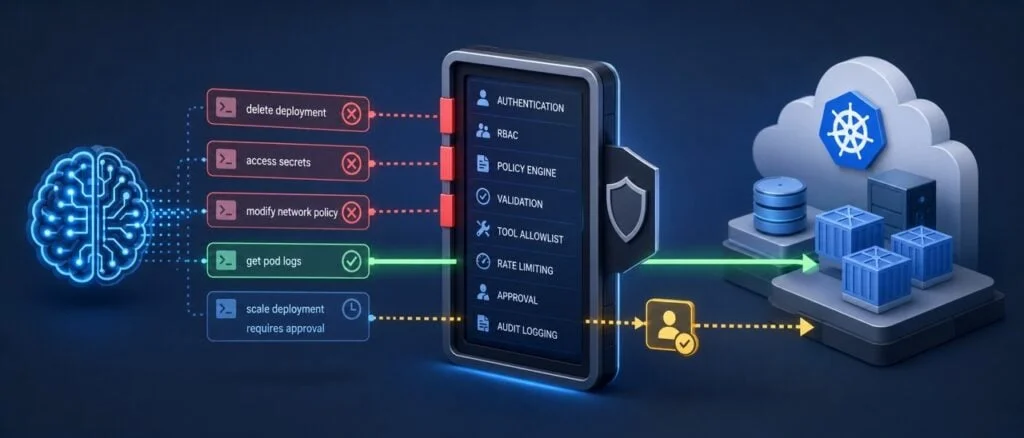
Exploring the shift in focus from prompt injection in AI as a model issue to a critical access control challenge for cloud-native environments.
KEDA enhances Kubernetes autoscaling by responding to queue depth in AI workloads, improving efficiency and reducing idle resource costs.
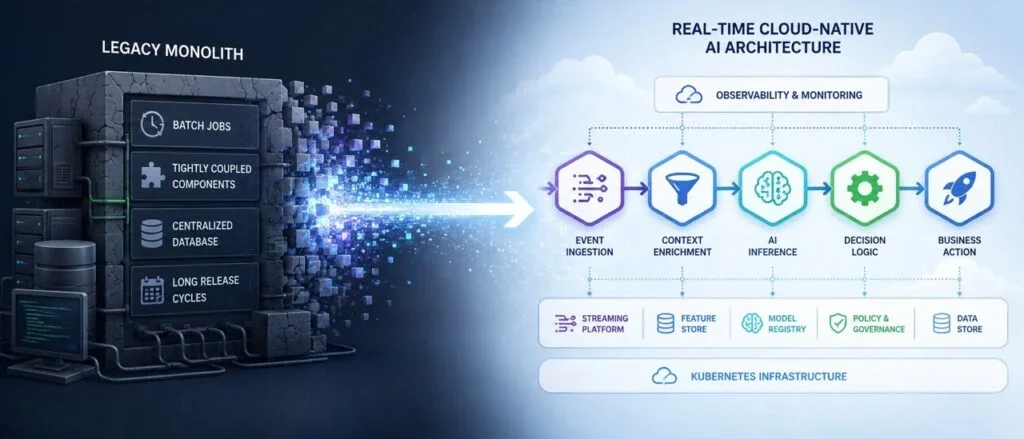
Learn how to effectively modernize legacy systems for real-time AI by adopting cloud-native architecture and critical design patterns.
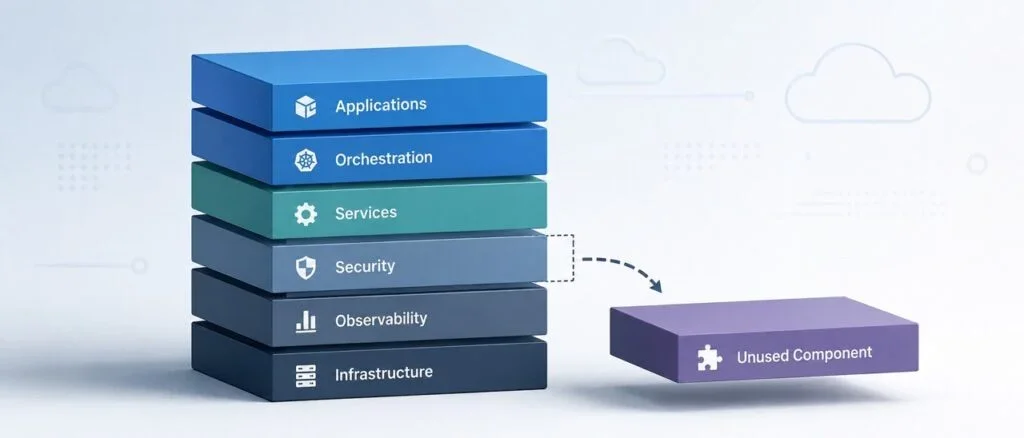
Understanding the operational impact of cloud-native platform layers is essential; teams must balance added complexity against value and usability.
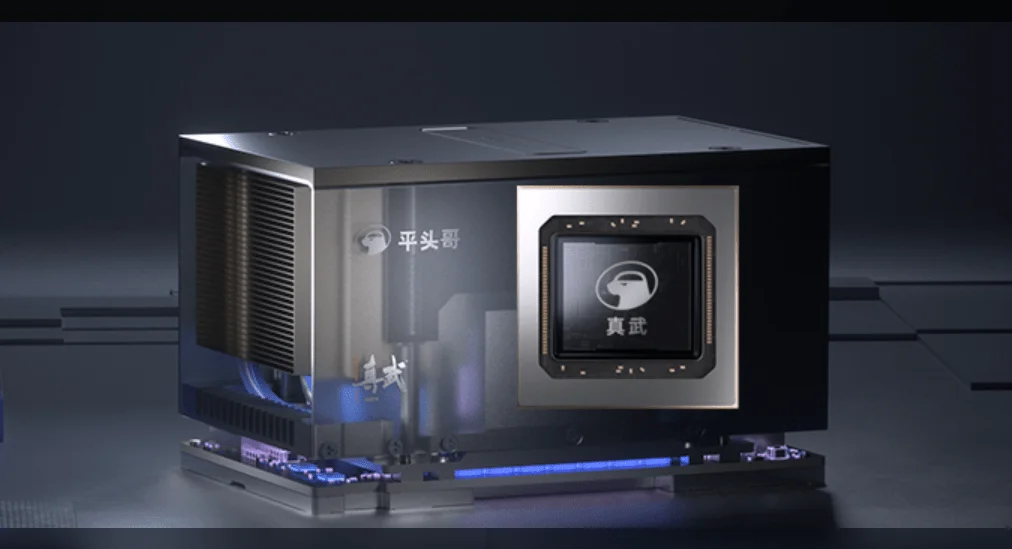
Alibaba's upcoming second-generation T-Head chip promises improved performance for large-model training, entering production by year's end.
Despite a significant drop in net income, Alibaba's increased capital expenditure highlights its aggressive investment in AI, boosting revenue from cloud services.
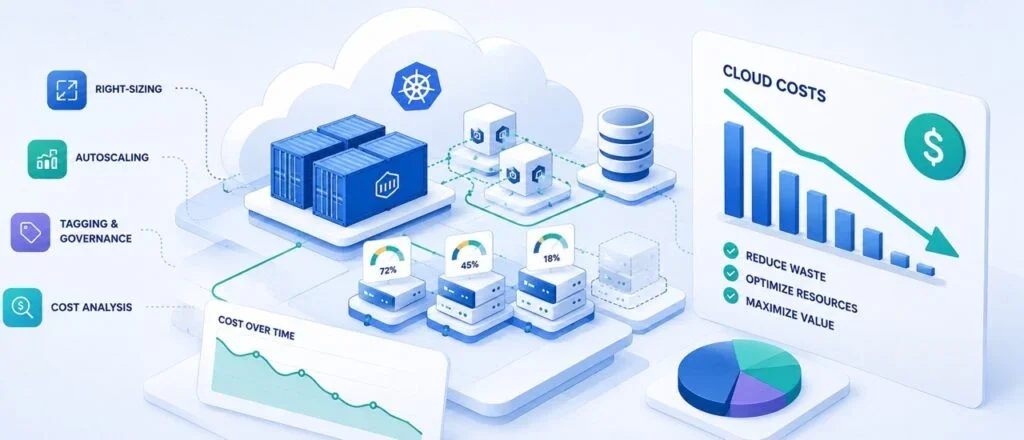
Explore actionable strategies for optimizing cloud costs, ensuring resource efficiency without compromising service quality.
CNCF's graduation of Kubeflow solidifies its role in enterprise AI, streamlining workflows across diverse environments and driving scalable production deployments.
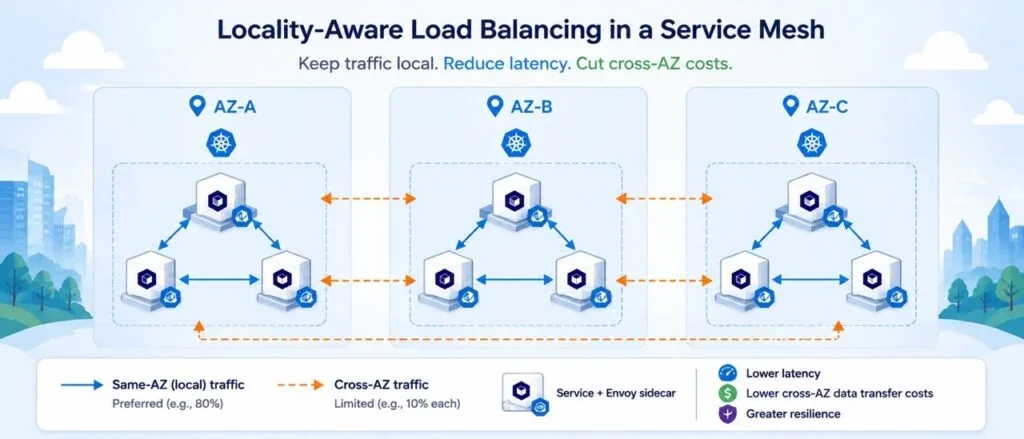
Explore the hidden latency and costs associated with standard load balancing practices in multi-AZ Kubernetes environments, and learn effective solutions.
Maintaining accurate test coverage in cloud-native systems is vital; outdated mocks can lead to false positives, complicating quality assurance in independent deployments.
Kubernetes users must address underutilization of GPUs by shifting from traditional pod scheduling to smarter resource management techniques.