DHS Personnel Leak Exposes Data on More Than 41,000 Employees
A searchable leak reportedly exposes contact details, roles and system access for more than 41,000 DHS staff, including CBP, ICE and CISA personnel.
Cybersecurity threats, protection strategies, and best practices
Found 81 articles
A searchable leak reportedly exposes contact details, roles and system access for more than 41,000 DHS staff, including CBP, ICE and CISA personnel.
Episode 490 covers claims that Jared Kushner’s iPhone was hacked twice, exposed security key PINs, a PHP incident and online threats to public figures.
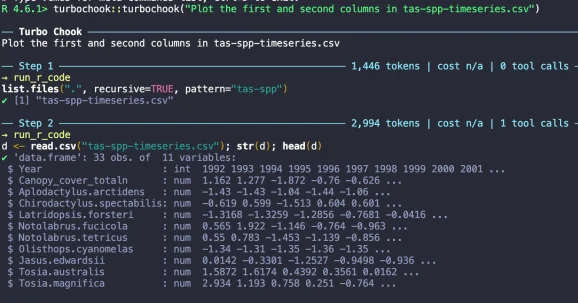
An R tutorial shows how to connect an LLM, register tools and build an agent loop, with the turbochook package offering three modes.
A 281 GB torrent reportedly contains 421,179 AfD emails and more than 100,000 files, while AI summaries of the material have been challenged for inaccuracies.
The companies will resell each other’s secured software artifacts, addressing gaps in container visibility as AI coding expands open source dependencies.
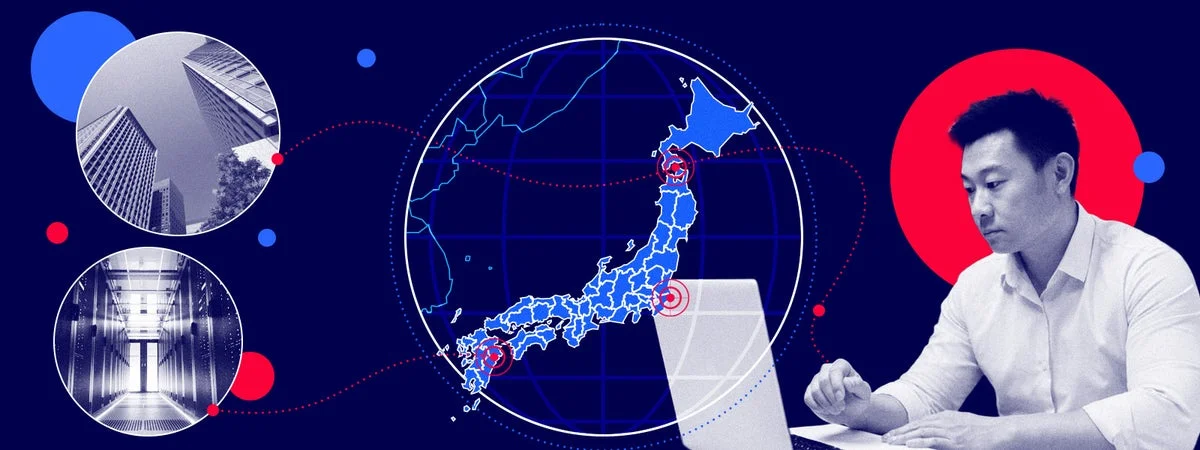
Reports of cyberattacks on Japanese organizations jumped 48% from Q2 to Q3 2026, with shared service providers extending disruption downstream.
Smashing Security explores hardware wallet trust, malicious ads, and how endpoint monitoring can trace AI agents’ actions on employee laptops.
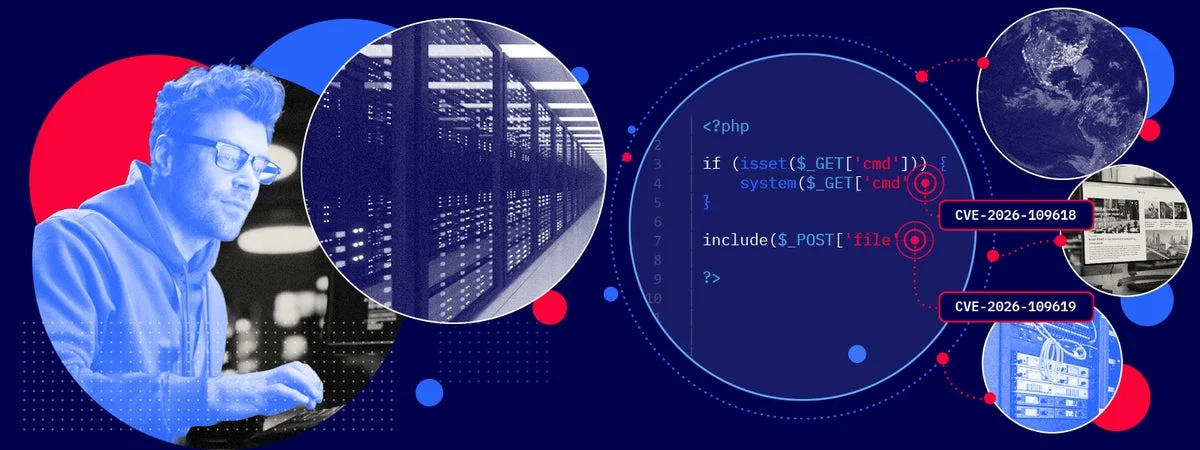
Two PHP engine flaws are reportedly under active attack after technical details leaked. Websites should check their PHP versions and apply available patches.
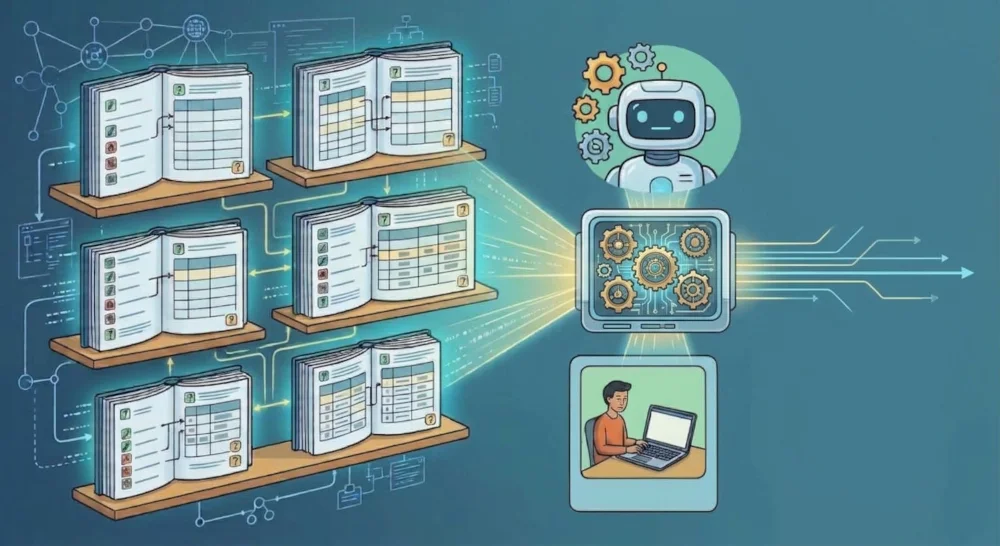
TKCat 1.3.0 adds read-only MCP access to ClickHouse catalogs, letting AI assistants explore documented data models and run traceable queries.
A Qilin suspect extradited from Japan is under investigation over attacks on a German logistics firm and London hospital pathology services.
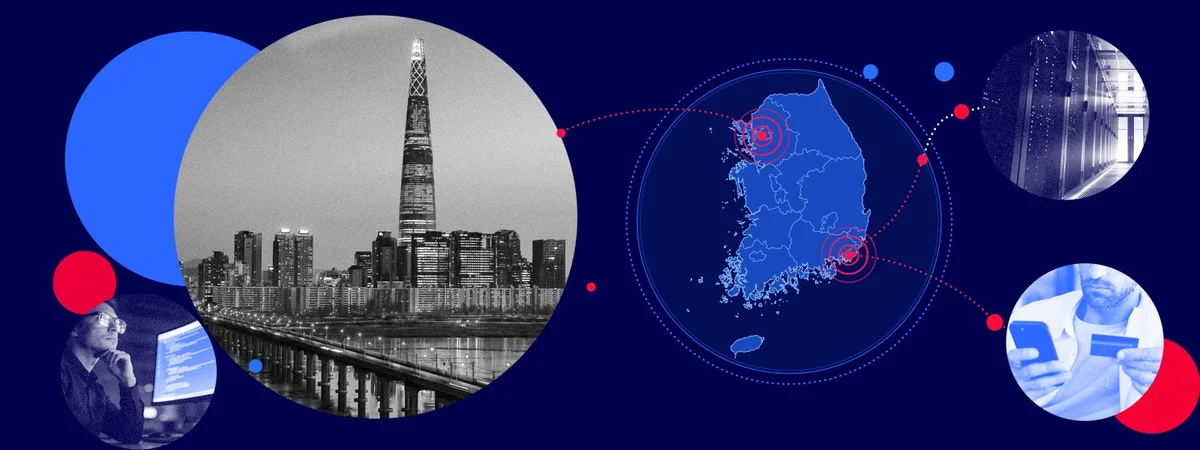
Recent findings reveal TAG-217's AI-assisted cyberattacks on South Korean banks, highlighting vulnerabilities and operational missteps.
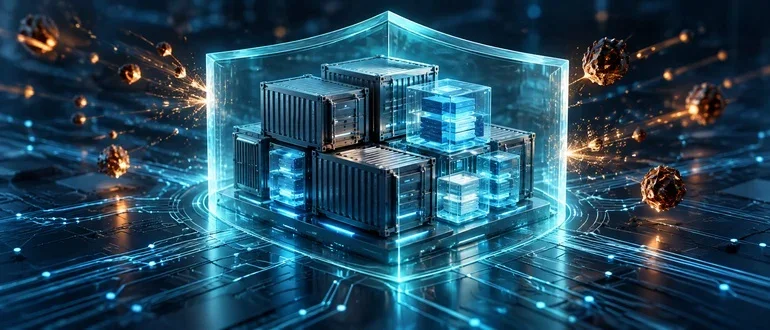
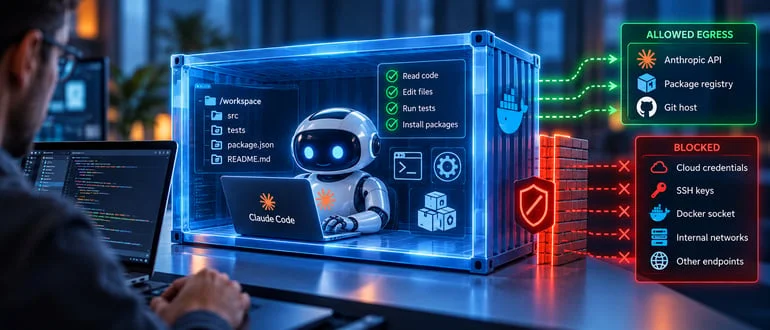
Explore how containerization can enhance security for AI coding agents while simplifying permissions and protecting sensitive information.
Recorded Future has relocated its HQ from Somerville to downtown Boston, reflecting significant growth and team expansion in the intelligence sector.
As the Kremlin tightens its grip on digital communications, the operational landscape for individuals and organizations in Russia faces growing risks and uncertainties.
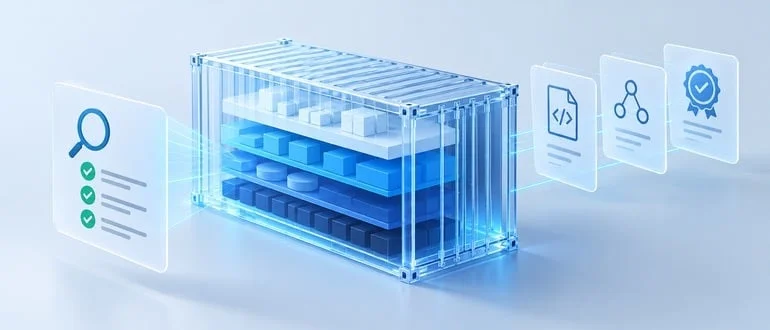
Just because a container image shows zero vulnerabilities doesn’t mean it's trustworthy; the origins and processes behind the image matter just as much.
September 2026 saw a sharp increase in vulnerabilities, with 94 identified, including numerous critical zero-day exploits, emphasizing urgent security management needs.
Contextualizing malware indicators with threat intelligence improves detection and response efforts, guiding analysts toward more effective security measures.
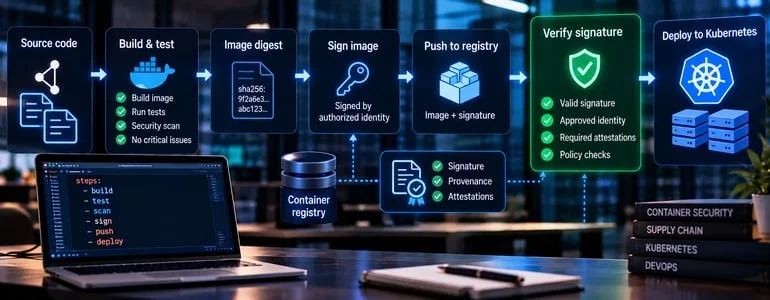
Container image signing ensures the authenticity of deployments, establishing a clear chain of trust from build to production.
Recorded Future introduces an advanced autonomous defense platform, enabling organizations to act at machine speed against evolving cyber threats.
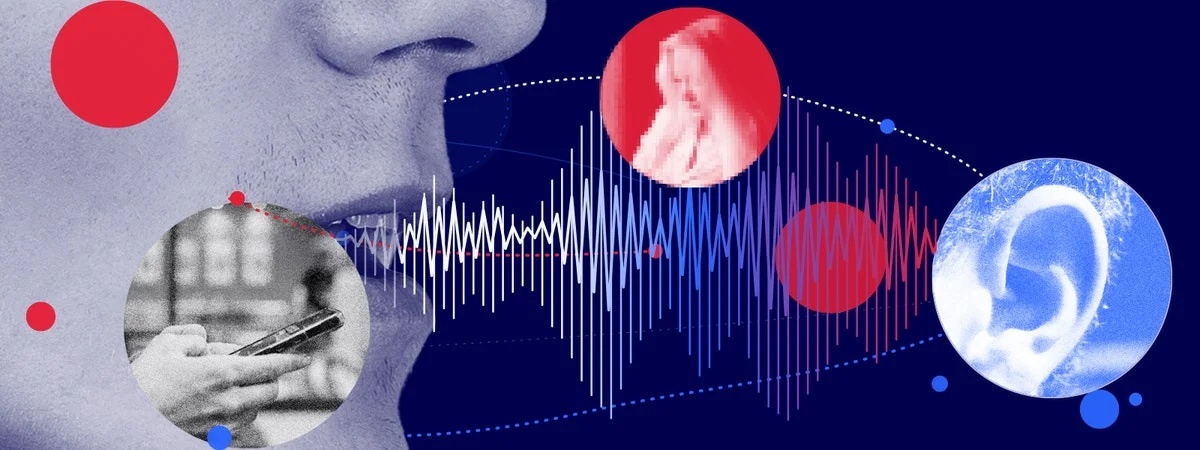
Organizations must adapt their security measures to counter the unique challenges posed by synthetic media like deepfakes, which undermine traditional identity verification.