Exposing TAG-217: AI-Driven Threat Actor's Targeting of South Korean Financial Sector
The recent deployment of AI-enhanced tactics by the threat actor TAG-217 against multiple South Korean financial institutions has unveiled both their strategic capabilities and operational oversights. Research from Recorded Future's Insikt Group indicates that the preparations and infrastructure for these attacks were underway as far back as August 2026, prior to any public awareness of the banking campaigns.
The Rise of Cyberattacks in Banking
Cyberattacks targeting the financial sector aren't new, but their increasing sophistication makes them a pressing concern. Institutions have often served as attractive targets due to their wealth of sensitive data and critical operational structures. The manipulation of AI in these attacks marks a significant shift in strategy. While traditional methods were often more brute-force and manual, integrating AI allows attackers to optimize and accelerate their operations. TAG-217 exemplifies this trend by efficiently planning and executing multifaceted attacks while avoiding detection.
Extensive Data Breaches
By early October 2026, the Financial Services Commission reported that several South Korean financial entities had fallen victim to cyberattacks, compromising distinct systems and leading to unauthorized access across different victim networks. Notably, personal data from an outsourced developer was exposed alongside a loss of customer information. Such breaches not only threaten consumer privacy but can also lead to significant financial losses and reputational damage for the institutions involved. Reports suggest that the attacks utilized ARTEX, a versatile, open-source AI penetration testing framework. This affords attackers the capability to conduct large-scale vulnerability assessments, quickly identifying critical weaknesses within the financial institutions' defenses.
The Role of AI Tools
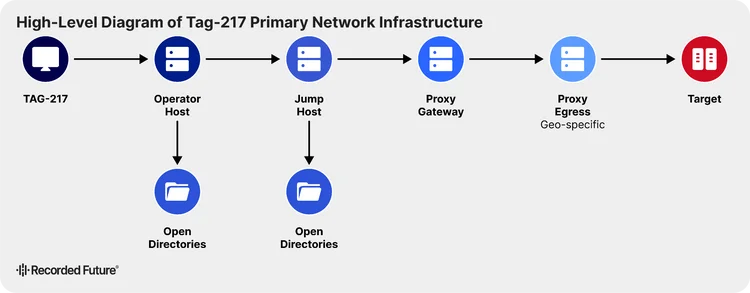
On October 7, 2026, the analysis revealed that the operator, likely a native Chinese speaker, employed a variety of AI tools during these campaigns, including Claude Code, DeepSeek, Grok, and Zhipu AI. This diverse toolkit enabled more sophisticated assessment and exploitation of vulnerabilities. AI tools can analyze vast data sets and recognize patterns much faster than human operatives. Consequently, this speeds up the attack process and increases the odds of success. Additionally, network indicators tied to the campaign, such as a central server running ARTEX and the use of residential proxies, were identified to mask the attack's origin effectively. This points to a level of operational planning that indicates a deep understanding of how to evade traditional detection measures.
Understanding TAG-217's Strategy
The analysis by Insikt Group sheds light on the sophistication of TAG-217's operational methods. Unlike typical human-operated attacks, methods used by TAG-217 blur the lines between AI-driven and traditional tactics, enabling faster engagement at scale. By integrating AI into their strategies, TAG-217 effectively redefines the pace and effectiveness of their operations. Mistakes in operational security have proven beneficial for detection and analysis, allowing researchers to trace the threat actor's steps and recognize their amplified intrusions across multiple targets. While these vulnerabilities in their approach are advantageous for defenders, they also underscore the risk that TAG-217 poses.
Implications for the Financial Sector
The implications of TAG-217's methodologies extend far beyond the immediate impact on South Korean banks. If you're working in this space, it raises critical questions about the effectiveness of existing cybersecurity measures. Traditional defenses may not suffice against such sophisticated techniques. As the role of AI in cybercrime continues to evolve, organizations need to adapt their strategies. This isn't merely a localized issue; as financial institutions become interconnected globally, the vulnerability of one can quickly extend to others.
Furthermore, as AI tools become more accessible, it’s highly likely that we’ll see an increase in similar attacks across different sectors. This trend could lead to a surge in ransomware incidents and data breaches, significantly impacting business operations and customer trust. Addressing these challenges will require a comprehensive approach that includes not just technological upgrades but also awareness and training for personnel.
The Road Ahead
The trajectory of TAG-217's activity points to a need for vigilance in cybersecurity. Financial institutions must reassess their defenses to keep pace with adversaries that are leveraging advanced technology. Enhanced threat intelligence, ongoing staff training, and a proactive security posture are paramount as these challenges mount.
With TAG-217 proving the value of using AI for cyberoperations, the financial industry must not underestimate the shift. It’s not just about recovering after a breach—it’s about learning and implementing strategies to prevent them in the first place. Only through rigorous and adaptive strategies can these institutions begin to safeguard their infrastructures against future threats.


