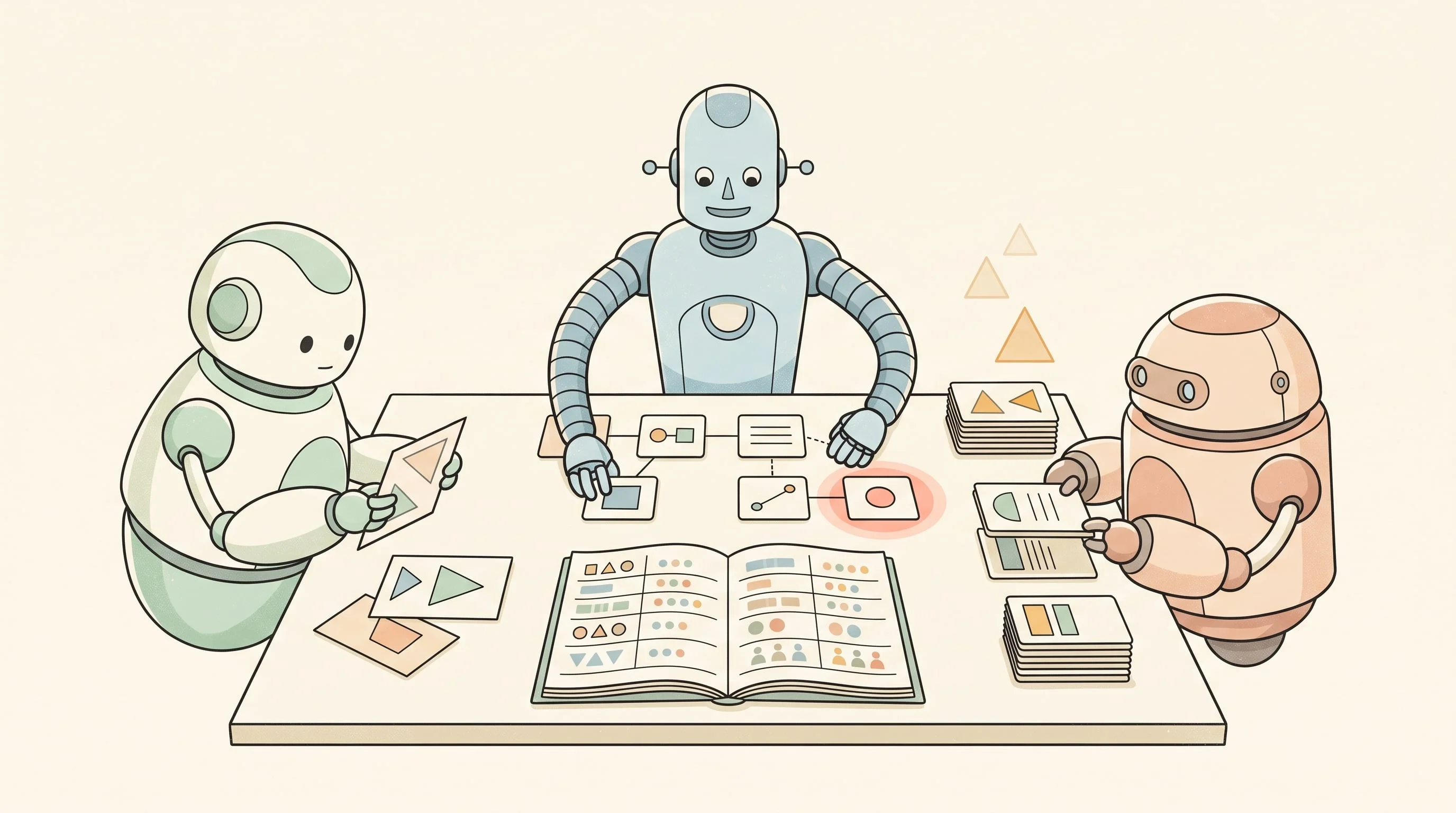
Kubernetes-Native ML Platforms Need Declarative Lifecycle Control
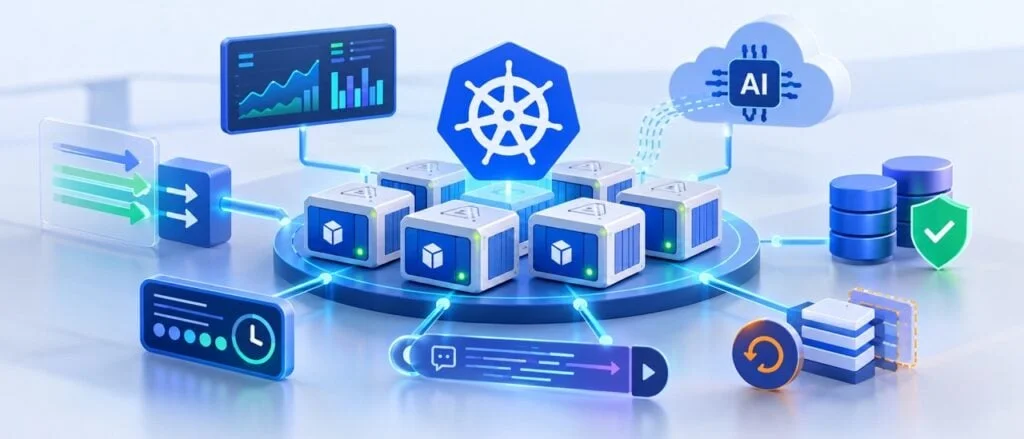
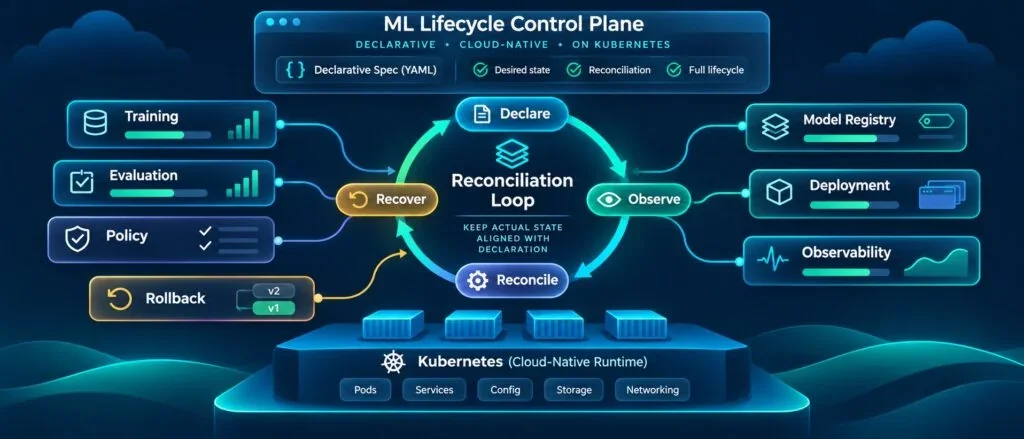
Kubernetes can run ML workloads, but declarative lifecycle management connects training, evaluation and deployment into observable, recoverable systems.
Development operations, CI/CD, and automation
Found 179 articles
Kubernetes can run ML workloads, but declarative lifecycle management connects training, evaluation and deployment into observable, recoverable systems.
CIQ’s open-source Stratum SKE packages Kubernetes components in one signed binary, with managed upgrades and tiered tools for AI agents.
Five in-person workshops at the University of Queensland span R fundamentals, modelling and spatial analysis, with registration open for February 2027.
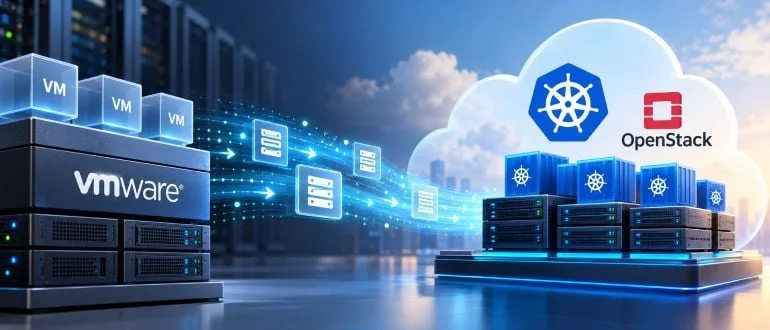
Mirantis will assess and help move VMware workloads to its OpenStack-based Kubernetes platform, with typical migrations taking about five weeks.
Episode 490 covers claims that Jared Kushner’s iPhone was hacked twice, exposed security key PINs, a PHP incident and online threats to public figures.
A free webinar on using R for dependable agent calculations, with practical guidance on user sessions, testing, action logs and safeguards.
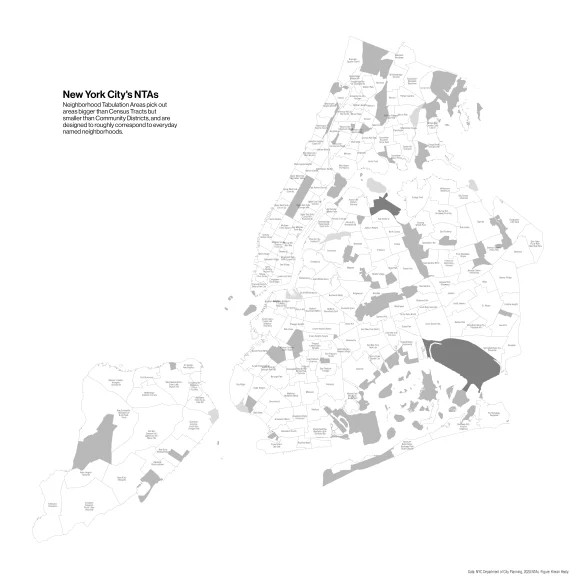
A study of 13.5 million NYC 311 reports uses address-level counts to map each neighborhood’s most distinctive complaints.
Whole-GPU allocation and weak workload visibility drive waste in Kubernetes inference. Engine-level metrics can guide safer sharing and autoscaling.
Kubernetes workload identity links ServiceAccounts, signed short-lived tokens and receiver-side authorization to give workloads secure access without permanent cloud credentials.
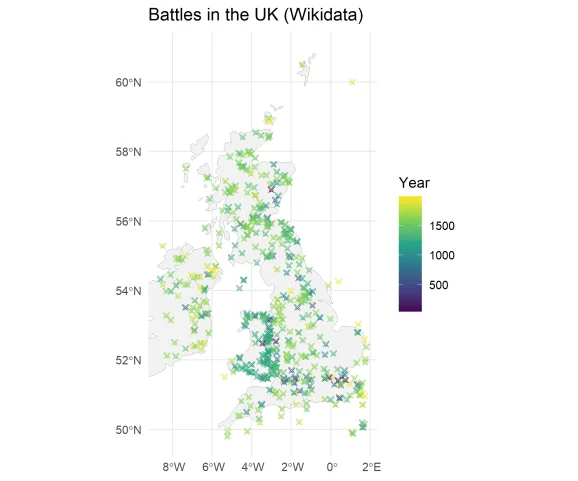
A Hilbert curve maps roughly 550 UK battles onto a time-and-location plot, revealing patterns that are hard to see on a conventional map.
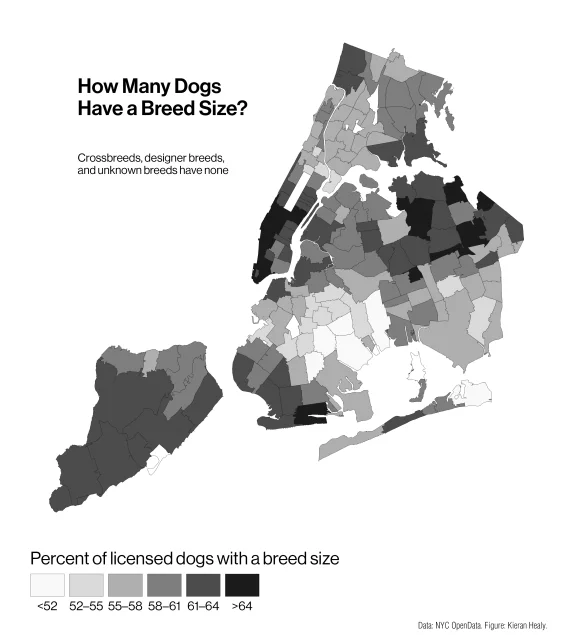
Breed data suggest New York’s higher-income ZIP codes have larger dogs, while housing size adds little to the pattern.
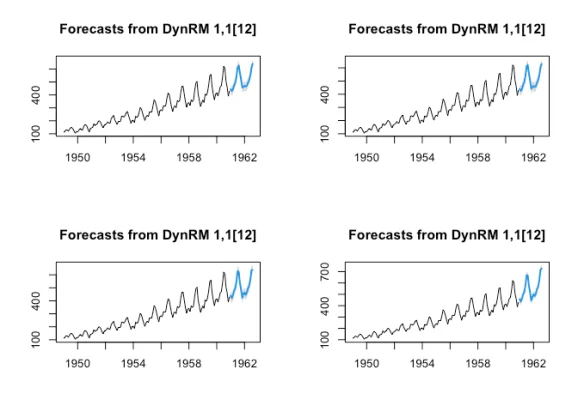
The caretS3 package fits glmnet and glm models on tabular data and plugs into ahead::dynrmf for 20-step AirPassengers forecasts.
The companies will resell each other’s secured software artifacts, addressing gaps in container visibility as AI coding expands open source dependencies.
From statistical review standards to GitHub automation, Mark Padgham built tools and processes that have supported rOpenSci and the wider R community.
An independent consultant tested agent permissions, document controls and review quality, finding stronger safeguards and gaps that still need production checks.
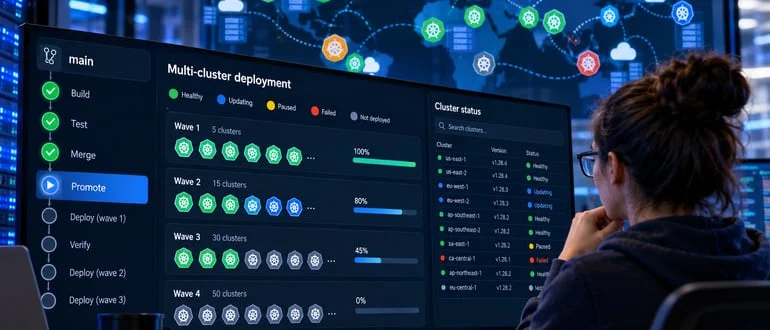
Staged release promotion helps teams track versions, verify changes and stop faulty deployments before they reach hundreds of Kubernetes clusters.
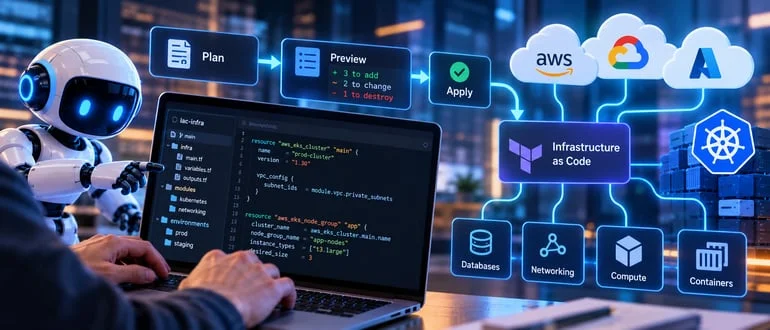
IaC puts agent-proposed infrastructure changes through previews and human review while helping teams manage Kubernetes upgrades, drift and hybrid environments.
A reviewed R workflow transformed a field spreadsheet into a validated, documented data package with a DOI in about a day.
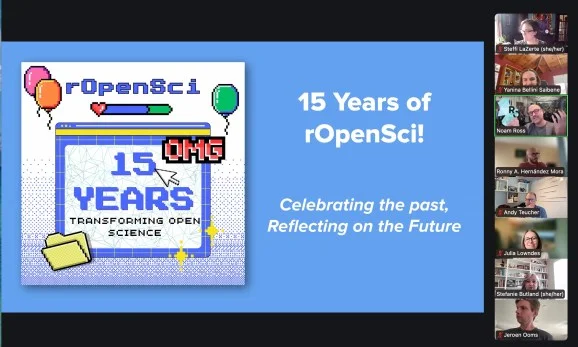
At 15, rOpenSci’s peer review, documentation and coworking continue to draw contributors. Members see new opportunities in local events, onboarding and open science.
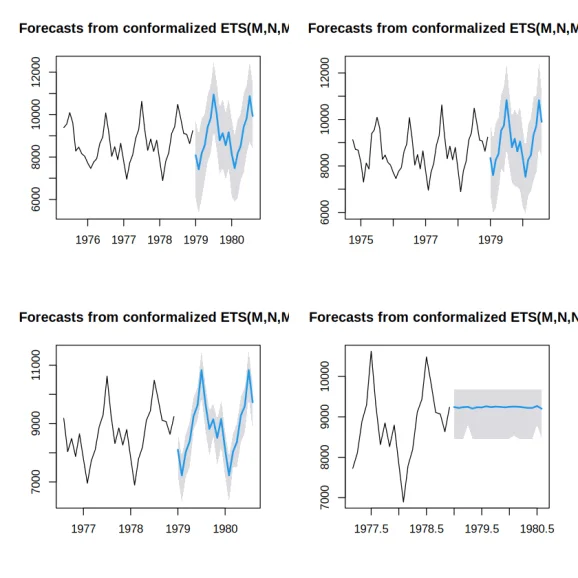
The new split_prob parameter lets R users vary the calibration share and compare forecast intervals across five time series.