Crafting a Digital Twin: The 3D Journey of Stefanos Tsitsipas
When creating an engaging online presence that centers around a public figure like Stefanos Tsitsipas, the challenge is not just in visual presentation. It involves encapsulating his character and what he represents to his fans.
Understanding the nuances of Tsitsipas' persona was crucial in crafting an interactive experience that resonated with his community. This meant starting from a point of authenticity to bridge his identity as an elite athlete and a beloved figure off the court.
Understanding the Project
Tsitsipas stands as one of tennis's most recognized faces, frequently appearing in major brand campaigns. The project's intention was to portray both his professional prowess and personal charisma in a unified digital experience.
The 3D Production Journey
The creation of Tsitsipas’ 3D avatar involved a detailed pipeline using tools such as Cinema 4D, Redshift, Blender, and Marvelous Designer for design and animation.
Capturing His Essence Through Photogrammetry
The initial step required a 360-degree photogrammetry scan of Tsitsipas. Collaborating with a specialized French studio, the team utilized a complex setup featuring around 70 cameras. During this process, Tsitsipas posed in either a T-pose or A-pose, which simplified the subsequent rigging in Mixamo.
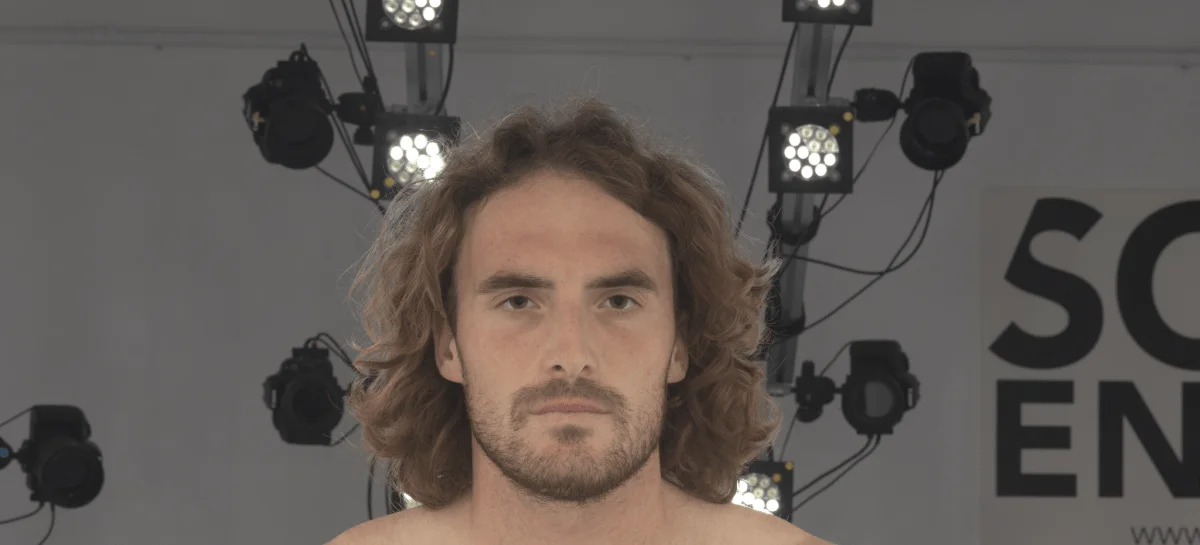
Two distinct looks were created for the scan—one with his tennis outfit and another focusing on a more casual appearance without accessories. Each version was provided with three Levels of Detail (LODs) to cater to various display needs.
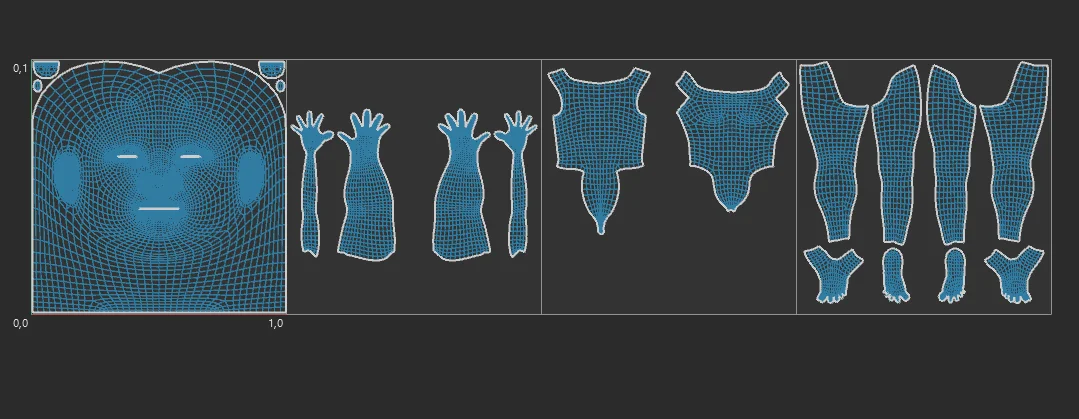
Different textures were assigned to each body part, but the high level of detail presented challenges for WebGL optimization.
Streamlining Texture for Web Performance
The next phase involved optimizing textures by combining multiple sets into a single, efficient texture map using Blender’s remapping capabilities. This consolidation process made the assets more suitable for real-time applications.
Rigging the Character
Once the model's textures were optimized, it was time to rig the character. After initial rigging tests identified issues with finger separation, adjustments were made to ensure proper arm mobility, enabling Mixamo to interpret the topology correctly.
Establishing Signature Poses
The rigged model was then imported into Cinema 4D for posing. The goal was to craft a power pose suitable for both the athletic and casual versions. They needed to share a cohesive stance, so a position was selected where Tsitsipas crosses his arms while holding his tennis racket.
Keyframes were created to maintain the T-pose while allowing for animation. The finalized pose was exported as an Alembic file for the clothing simulation phase.
Simulating Clothing
Initially, the production timeline was estimated at five to eight days but stretched to 14 due to the intricacies involved, leading to the decision to incorporate pre-made outfits from the Marvelous Designer Marketplace.
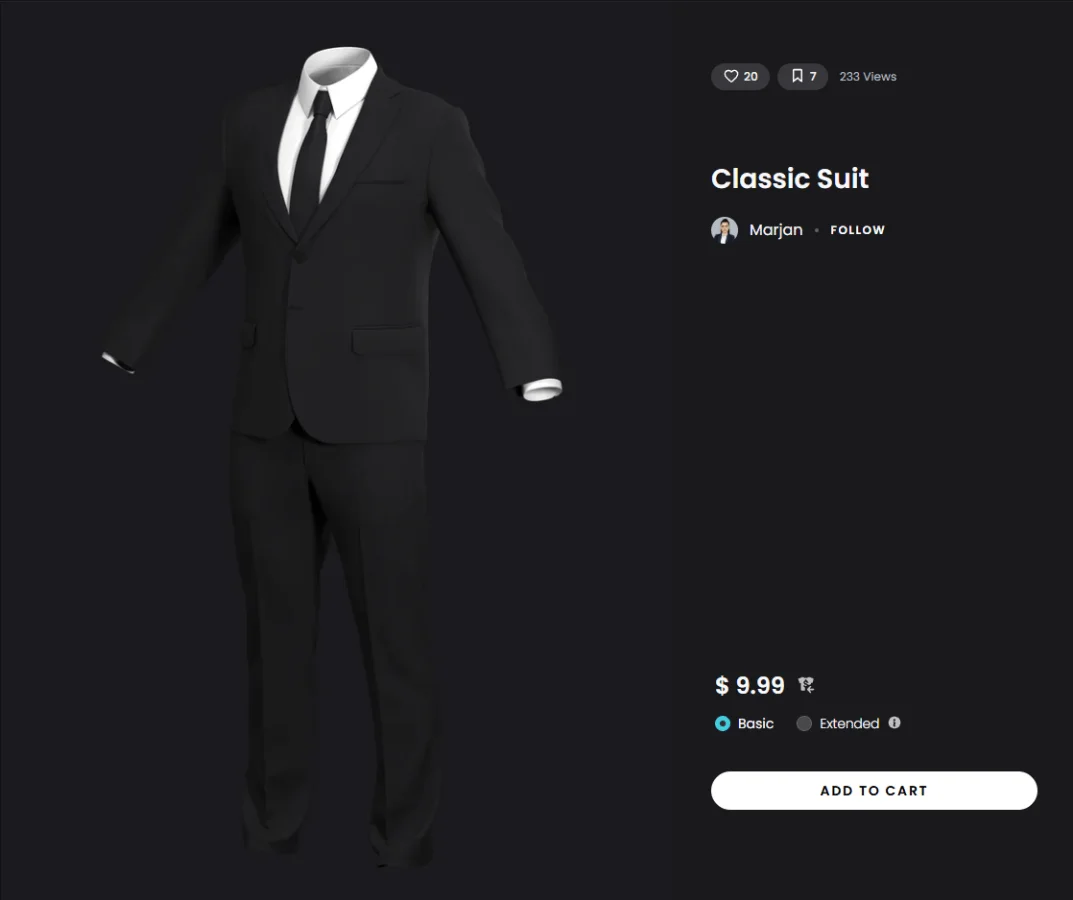
Outfits were resized to fit the A-pose, ensuring proper alignment and fitting during simulation processes in Marvelous Designer.
Enhancing the Model's Presence
Once the models were dressed, further adjustments were made to enhance the overall physique, giving him a stronger presence reminiscent of classical Greek sculptures.
Animation and rendering required further adjustments to the model's textures, optimizing these for WebGL while maintaining visual fidelity.
Finalizing Textures and Props
For static poses, shadows were baked into the textures, along with ambient occlusion for realism. The contest of finding the right lighting in Cinema 4D played a significant role in giving life to the models.
For dynamic animations, textures were adapted using both ambient occlusion and diffuse maps, which were later exported for potential future enhancements.
Character Animation and Optimization
With Tsitsipas' signature serve in mind, accurate animation was crucial. Reference videos guided the frame-by-frame animation, ensuring that the movements were true to those of a professional tennis player.
Collaboration was key, as specialist feedback helped bridge the gap between artistic execution and sport accuracy. Adjustments to geometry and shape keys were made to ensure a streamlined and optimized output for the web.
In the end, the process from initial scanning to WebGL integration was intricately designed to reflect not just Tsitsipas as an athlete, but to showcase his journey as a digital icon.