Enhancing Kubernetes Management: Komodor's New AI Agent Integration
Komodor has recently expanded its capabilities by introducing a platform that enables site reliability engineers (SREs) to deploy agentic artificial intelligence workflows within Kubernetes clusters. This new offering, called the Komodor Agentic Operations Platform, allows SREs to utilize familiar processes for integrating AI agents alongside traditional workloads. This integration could significantly change how operational teams interact with AI technologies, ensuring that their deployment aligns with existing practices.
Streamlined Deployment and Management
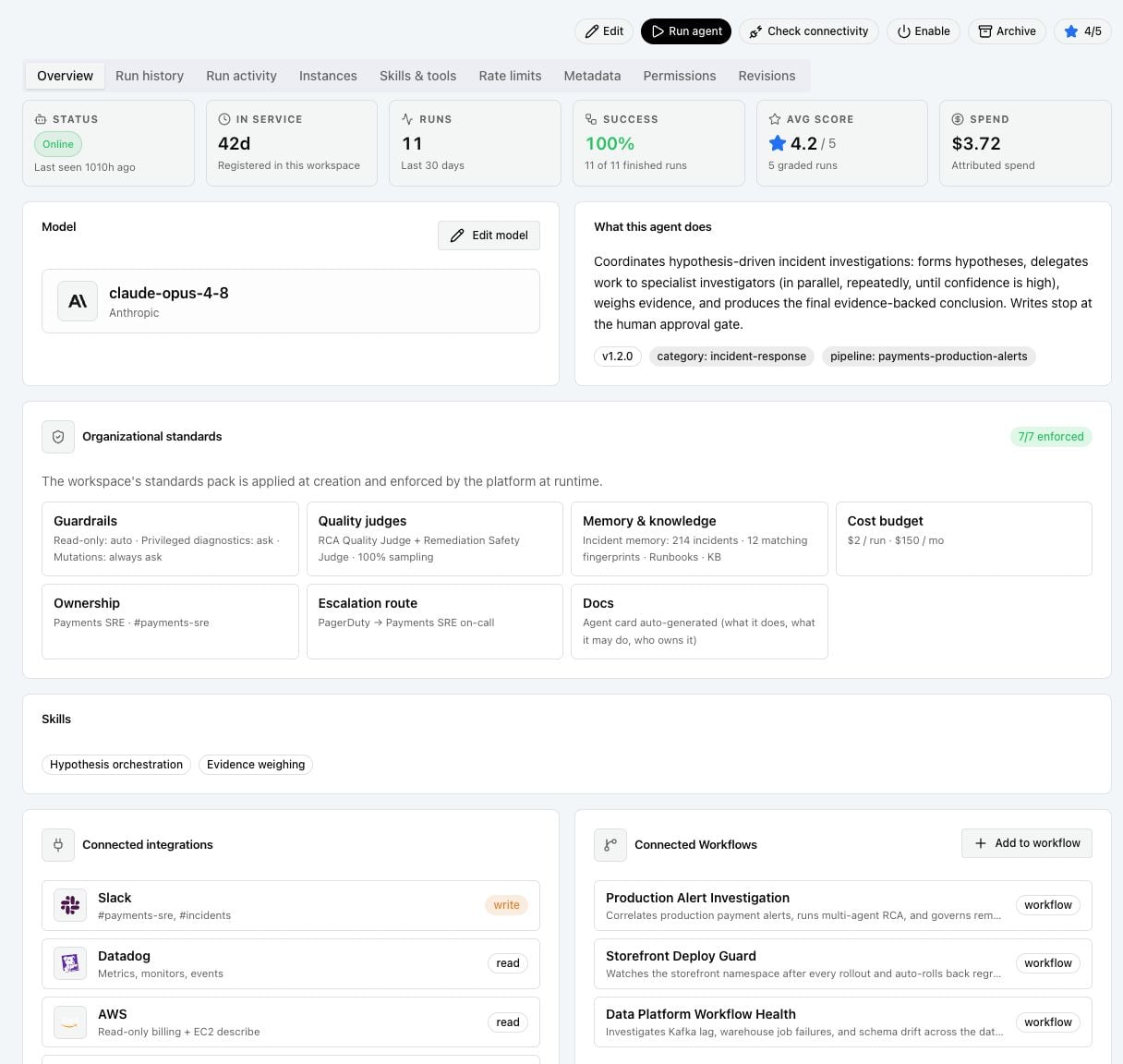
With the Agentic Operations Platform, SREs can employ a series of predefined templates designed to troubleshoot issues, optimize AI usage, and enhance the efficiency of continuous integration and delivery (CI/CD) pipelines. Imagine a world where SREs can manage workflows more fluidly. The platform integrates a library of over 50 specialized agents, complete with skills and integrations, which teams can customize. This flexibility allows teams to include or exclude steps, adjust routing, or craft unique agents tailored specifically to their operational needs. There’s also the option to shadow-test new agent versions, facilitating performance comparisons prior to any updates, a step that can save time and resources in the long run.
The platform allows for the transformation of existing scripts or runbooks into managed agents. Users can import agents from external frameworks or develop new ones using Komodor’s software development kit (SDK). Role-based access controls clearly define agent permissions and requirements, while built-in guardrails ensure that agent activities must be validated by personnel, maintaining stringent operational standards. These controls help mitigate risks associated with automated processes. Spending caps and a comprehensive audit trail further enhance oversight and transparency for DevOps teams, reinforcing the accountability essential in environments that rely heavily on automated operations.
The Growing Role of SREs
As Kubernetes solidifies its position for deploying AI workloads, managing potentially thousands of AI agents becomes a pressing challenge for DevOps teams. Shwartz points out that this transition signifies a broader evolution of SRE roles from practitioners to managers of agentic workflows. The implication here is substantial: SREs must now not only maintain systems but also strategize their operation, necessitating a diverse skill set that includes AI management and adaption.
In practice, SREs will depend on a primary AI agent to coordinate tasks among a multitude of specialized agents, each optimized for specific functions. This shift not only changes how teams interact with technology but also necessitates a reevaluation of existing workflows and management strategies. With the proliferation of AI-driven processes, teams might face challenges in ensuring that the various agents communicate and execute tasks as intended. If you're working in this space, you might want to assess how your team can adapt to this new paradigm of cooperation between human engineers and AI technologies.
Future Considerations
Mitch Ashley from the Futurum Group discusses how the value of agentic operations is currently constrained by visibility and control over agent actions within production clusters. Reapplying established pipelines and approval frameworks can streamline governance, placing the existing trust where it already resides. However, whether this will evolve into a unified operational control system remains an open question. This is a pivotal point: if teams cannot see what's happening, the risk of errors rises dramatically.
The pace at which organizations adopt and deploy AI agents will undoubtedly differ, but the trend is clear: it’s less about whether these technologies will be integrated but how fast and to what extent they will transform current practices in DevOps. Many companies may rush to implement AI before understanding its nuances, and this could lead to a chaotic environment where agents operate without clear guidance. In the long run, organizations that prioritize a structured approach to these technologies are likely to emerge as leaders in the field.
Significance of Agentic Operations
The implications of the introduction of the Komodor Agentic Operations Platform extend beyond just efficiency gains. It's an indication of a significant shift in how organizations will manage the complexity of their operations in a world increasingly dominated by AI. As teams blend traditional SRE practices with AI-driven tools, they will face both challenges and opportunities. Striking the right balance between automation and human oversight will be critical.
Moreover, for stakeholders, this evolution presents an opportunity to rethink existing job roles and requirements within the tech industry. As SREs transition into managers of AI operations, companies might need to invest in training and education that explicitly cover AI and machine learning implications in the context of system reliability. This is more significant than it looks—failing to prepare for such a transition might leave many teams inadequately equipped for the AI-driven future.