Understanding the Recognition of Recorded Future in Threat Intelligence
Recorded Future has recently achieved the status of Leader in The Forrester Wave™: External Threat Intelligence Service Providers, Q3 2026. This recognition is not just another award; it's a result of extensive efforts that often go unseen, involving in-depth product demos, customer feedback, and comprehensive briefings. Being recognized as a leader in the Forrester Wave is more significant than it looks at first glance. It positions Recorded Future not just as a competitor but as a primary influence in shaping the future of threat intelligence solutions.
This blog post serves as a supplementary guide to the Forrester Wave™ report, accessible through the link below, where you can explore our methodologies and what distinguishes us in this space.
Access the report.

Why Priority Intelligence Requirements Matter
Priority Intelligence Requirements (PIRs) are much more than just buzzwords—they're essential for enabling security teams to achieve meaningful outcomes. By guiding data collection strategies, PIRs enhance decision-making processes, allowing teams to respond swiftly to emerging threats. Recorded Future received the highest score in this area, which Forrester highlights as indicative of “superior support for features” like effective translation of external PIRs and advanced query management. This focus on PIRs reaffirms the notion that targeted intelligence can directly influence an organization's security posture.
On our platform, we've placed a strong emphasis on PIRs, offering prebuilt PIRs for customers to leverage or customize within our Impact and Metrics Dashboard. This tool provides metrics based on these requirements, allowing teams to track and demonstrate the impact of their programs on critical business questions. If you're working in this space, you know how pivotal these metrics are for aligning security goals with business objectives—it’s about driving results that matter.
The Importance of Comprehensive Intelligence Sources
Intelligence forms the backbone of any modern security initiative—proactivity, not reactivity, is key. Forrester’s criteria underline how vital extensive data collection is for providing security teams with thorough visibility amidst evolving threat scenarios. Recorded Future primarily indexes and analyzes a variety of data sources; after all, no single data point gives the full picture.
- Technical intelligence — Involves analyzing network traffic through billions of daily data points from over 200 locations, alongside malware behavior analysis and vulnerability tracking. The depth of technical intelligence enables teams to spot anomalies and respond before minor issues escalate.
- Underground intelligence — Focuses on gleaning insights from criminal forums and adversary activities, aimed at identifying stolen data and understanding emerging threats. This aspect is crucial, as it provides forewarning of potential breaches before they become significant issues.
- Community intelligence — Combines detection data from our user base to expose patterns and attack activities that might go unnoticed by individual organizations. The collective awareness of a community is vastly more informative than isolated data points.
- Open-source intelligence — Provides broader context through data leakage, social media observations, and monitoring of code repositories for brand impersonation and exposed data. This holistic approach rounds out the intelligence portfolio, giving organizations a fuller understanding of potential vulnerabilities.
Multi-Domain Cybersecurity Capabilities
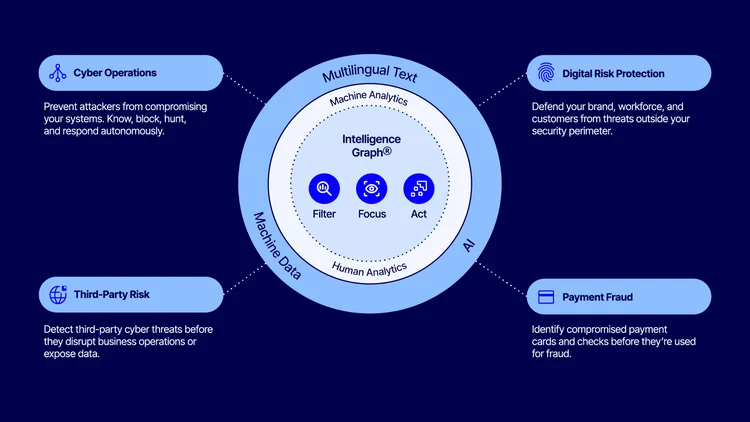
Our recognition in the Forrester Wave report extends beyond PIR support; we've also excelled in multiple cybersecurity areas. Scoring high in brand protection, third-party risk management, and threat hunting affirms our commitment to delivering versatile threat intelligence solutions. Organizations today face risks from multiple angles, and having a cybersecurity partner that covers multiple domains is more than just an add-on. It’s a necessary strategy for navigating the complexities of modern threats.
Implications and Future Outlook
Achieving Leader status in recognition from Forrester could send ripples through the threat intelligence sector. Recorded Future's continued focus on PIRs, coupled with a multi-domain approach, positions the company for sustained relevance. As cyber threats evolve, organizations are increasingly aware that their defenses must evolve too. They can’t afford to rely solely on basic intelligence methods.
This trend will likely push competitors to examine their own methodologies and offerings. And yet, the challenge remains: distinguishing true innovation from mere enhancement of existing tools is no small feat. (And this is the part most people overlook.)
As the demand for clarity in threat intelligence grows, Recorded Future’s methodologies could set a new standard for the industry. Their commitment to providing actionable intelligence shines, demonstrating an understanding of what security teams genuinely require. What this means for you, whether you're a cybersecurity professional or a business leader, is that your choices in threat intelligence services could greatly impact your organization’s resilience.