China's Humanoid Robots: Practical Innovations Beyond the Showcase
At the 2026 World Robot Conference (WRC) in Beijing, the spotlight was on humanoid robots pushing boundaries beyond mere exhibition. Held from August 19 to 23, the event brought together numerous robotics firms, showcasing over 3,000 products, including 311 new introductions that hint at a shift towards practical integration in daily operations. The sheer scale of these presentations doesn’t just reflect the current trends but signals an industry that might be ready to step off the exhibition floor and into homes and workplaces.
Functional Brilliance in Robotics
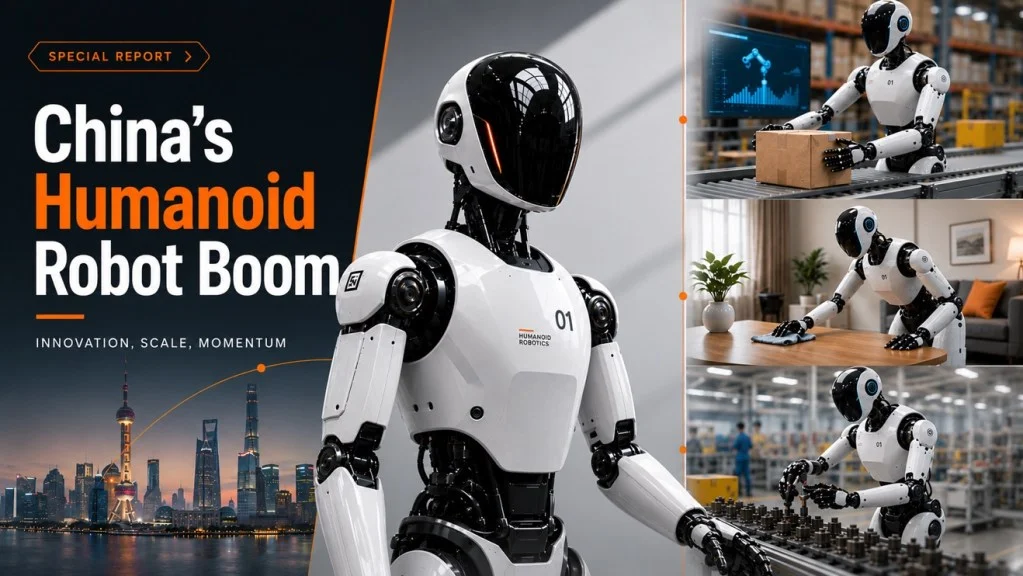
This year’s theme of “Human-Robot Symbiosis, Production-Demand Convergence” heavily shaped the direction of presentations. Robots are no longer confined to the domain of futurism; they're being designed with specific, practical applications in mind. For instance, Galaxea AI unveiled the Galbot series, featuring models like the G1, which demonstrated its abilities in a simulated home environment by preparing breakfast with remarkable dexterity, even adjusting its actions to prevent spills. This kind of performance isn't just a parlor trick; it's a glimpse into a future where robots could significantly ease daily tasks.
This is the part most people overlook: the importance of human-robot interaction. Galbot’s ability to adapt to its environment in real-time shows a leap toward making robots more relatable and functional in home life. The challenge here extends beyond programming; it involves understanding human behavior and preferences, making it essential for manufacturers to invest in research that studies how people interact with machines.
Beyond domestic tasks, the show floor was alive with creativity: CASBOT entertained visitors with a robot rock band, delivering renditions of popular Chinese songs along with original compositions. This blend of technology and artistry broadens the potential applications of robots. Beyond functionality, they are beginning to occupy cultural and entertainment spaces, which could reshape public perception about their usefulness.
Industrial Applications Take Center Stage
The industrial focus was palpable, with Li-Gong exhibiting two LiDian F1 robots collaborating in an efficient assembly line workflow. Their operational success illustrates a clear manifestation of embodied intelligence in manufacturing. Unlike traditional robots that might be limited to singular tasks, these systems are showcasing adaptability and efficiency, essential traits for modern industrial applications. Companies increasingly harness embodied intelligence to reduce labor costs and enhance productivity.
Similarly, Unitree's kickboxing robots captured the audience's attention, not just for their agility, but for their application in competitive environments. This is something different—it emphasizes training and skill development in robotic systems. The concept of using robotics for sports training might not just create better athletes; it could also establish new entertainment avenues where humans and robots compete. The spectacle of machine versus machine might draw significant public interest, potentially boosting investment in robotics research.
Interestingly, biomimetic robots were part of a significant trend, showing increasing sophistication in mimicking human movements and behaviors. Firms like UBTECH and AheadForm concentrate on refining physical proportions and nuanced facial expressions, which enhance how robots interact within human-centric spaces. The more lifelike a robot becomes, the more acceptable it may be in various social contexts. You're likely to see these socially attentive robots not just in homes but also in hospitable places, taking on roles aiding elderly care or serving as companions.
Unexpected and Memorable Performances
The event also surprised attendees with robots displaying unexpected behaviors. At the World Humanoid Robot Games, the Tiangong Omni not only showcased speed by winning the small-size 400-meter race in 45.66 seconds but also drew attention for its quirky running posture. These sort of anomalies can spark interest but also lead to crucial discussions among developers about the implications of design choices. Such aspects should not be ignored; they influence user acceptance and usability.
Moving forward, China’s humanoid robotics sector faces a pivotal challenge: transitioning from exhibition demonstrations to reliable, large-scale implementations. With the potential to fit into various roles from domestic chores to industrial tasks, the industry appears poised for significant advances in the near future. If these robots can prove reliable in real-world settings, we could see a paradigm shift in how societies view and utilize robotic assistance. This isn't just about making a profit; changing public perception is essential for widespread adoption.
Future Outlook and Implications
The developments showcased at the WRC suggest that we're on the brink of significant changes in robotic technology's role in our lives. If you're working in this space, the implications are enormous: from labor markets to healthcare, the integration of humanoid robots could redefine how we approach tasks that we typically consider too nuanced or complex for machines. The challenge lies not only in improving functionality and reliability but also in addressing public concerns about privacy, security, and the ethical implications of using robots in everyday life.
The successes at events like the WRC mark the beginning of what could be a monumental shift, affecting various sectors. With continuous technological advancements, it’s likely that the floodgates will open for both useful consumer products and artistic avenues where robots can take center stage. Society might find itself in a position to embrace these innovations, revolutionizing how we work and interact in ways previously thought unimaginable.