Alibaba Cloud Redefines Data Center Construction with 100-Day Delivery
As competition intensifies in AI computing, Alibaba Cloud is significantly transforming the construction of data centers, announcing an impressive reduction in delivery time to just 100 days. This accelerated timeline is thanks to a fully modular design approach that streamlines the building process, making it more efficient than traditional methods.
Redefining Data Center Construction
Over the past few years, tech companies have been ramping up their purchases of GPUs and expanding server capabilities. However, a growing challenge lies in the construction of data centers, which takes considerably longer compared to acquiring chips or assembling servers. Previously, building large-scale data centers often dragged on for almost a year, leading to bottlenecks in deploying essential AI services. Alibaba Cloud's new delivery model allows for large data centers to be operational in about three months. This shift doesn't just affect timeframes; it also alters how companies approach their overall infrastructure strategies.
Breaking Down the Modular Architecture
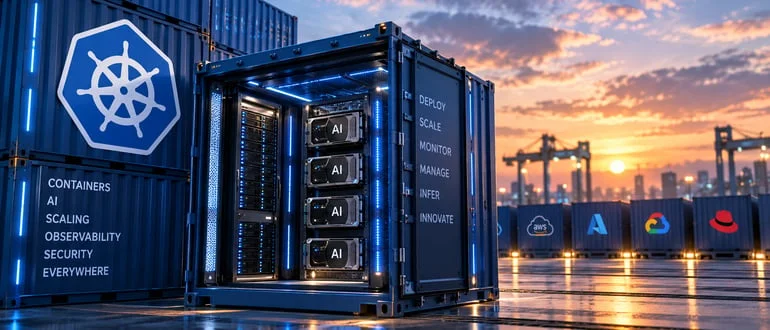
The most significant breakthrough in Alibaba's approach is the modular architecture concept. Instead of the conventional sequential construction methods—which often resemble building a house from scratch—this modular strategy allows for different components of a data center to be pre-manufactured and standardized. Components can be assembled off-site in factories and then quickly assembled on-site, drastically cutting down the overall construction duration. The modular system isn't just about speed; it's also about flexibility. This assembly-line approach enables faster adjustments to specifications based on evolving technological demands without the risks and costs associated with traditional construction methods.
What's particularly striking about Alibaba's method is that it doesn't compromise on construction costs. The company has reported more than a 10% reduction in overall construction expenses, demonstrating that speed and cost efficiency can coexist. This is more significant than it looks, especially as many firms grapple with rising labor and material costs. If you're working in this space, you'll likely recognize that achieving cost savings while improving speed is a rare win-win scenario.
Shifting Toward Replicable Infrastructure
Alibaba Cloud's approach isn't merely about faster project completion; it points toward a larger trend of treating AI data centers as scalable products rather than one-off engineering feats. In 2026, the company aims to more than double its global production capacity of modular data centers, indicating a clear shift in focus. By positioning these data centers as replicable models, Alibaba stands to revolutionize the market, allowing for faster deployments worldwide.
This move suggests the potential for standardized delivery and construction processes that can be consistently replicated across multiple locations. Previously, data center projects were heavily influenced by local construction challenges, supply chain constraints, and specific engineering teams. With a modular methodology, however, the company can expand its data center capacity much faster, effectively addressing the burgeoning demand for AI computing globally. As tech giants race to enhance AI capabilities, those who can deliver infrastructure quickly will likely be at a distinct advantage. (And this is the part most people overlook.)
The Need for Speed in AI Infrastructure
The AI competition is evolving, now focusing deeper on infrastructure rather than just model capabilities and GPU counts. As AI applications expand, the ability to quickly turn computing resources, such as GPUs, into functional capacities becomes increasingly critical. Factors like networking, cooling, and especially the speed of data center construction are rising in importance.
Alibaba Cloud’s decision to enhance its modular data center production while reducing delivery times to 100 days highlights a strategic move to tackle these significant infrastructure challenges. The emphasis has shifted from mere hardware capabilities to the efficiency of converting hardware into usable capacity—marking a pivotal change in how AI companies will approach scalability. AI companies are no longer just competing on algorithms but on the very infrastructure that supports them. That said, if you're an outsider gazing into the tech realm, you might be surprised to see how much of an edge speed offers in this race.
Implications and Future Outlook
As AI demand continues its rapid ascent, the construction speed of data centers could become a defining factor for competitive advantage among cloud providers. Companies that can adapt and deploy infrastructure quickly will position themselves as leaders. The transition from the traditional build-and-complete approach to delivering functional data centers at scale echoes principles of manufacturing, promising a new era of efficiency and agility in the AI sector.
Looking ahead, Alibaba's advancements could encourage others in the tech industry to rethink their own construction methodologies. If the modular approach proves successful, we may see a domino effect where competition prompts even more rapid changes in infrastructure development methods. It’ll be fascinating to watch how this architectural innovation influences the broader tech ecosystem. The pressure's on, and the clock is ticking for companies aiming to keep pace with growing AI demands.