Xiaohongshu's World Cup Broadcast: A Pivotal Experiment in Long-Form Content Engagement
Xiaohongshu's Bold Move into Long-Form Content
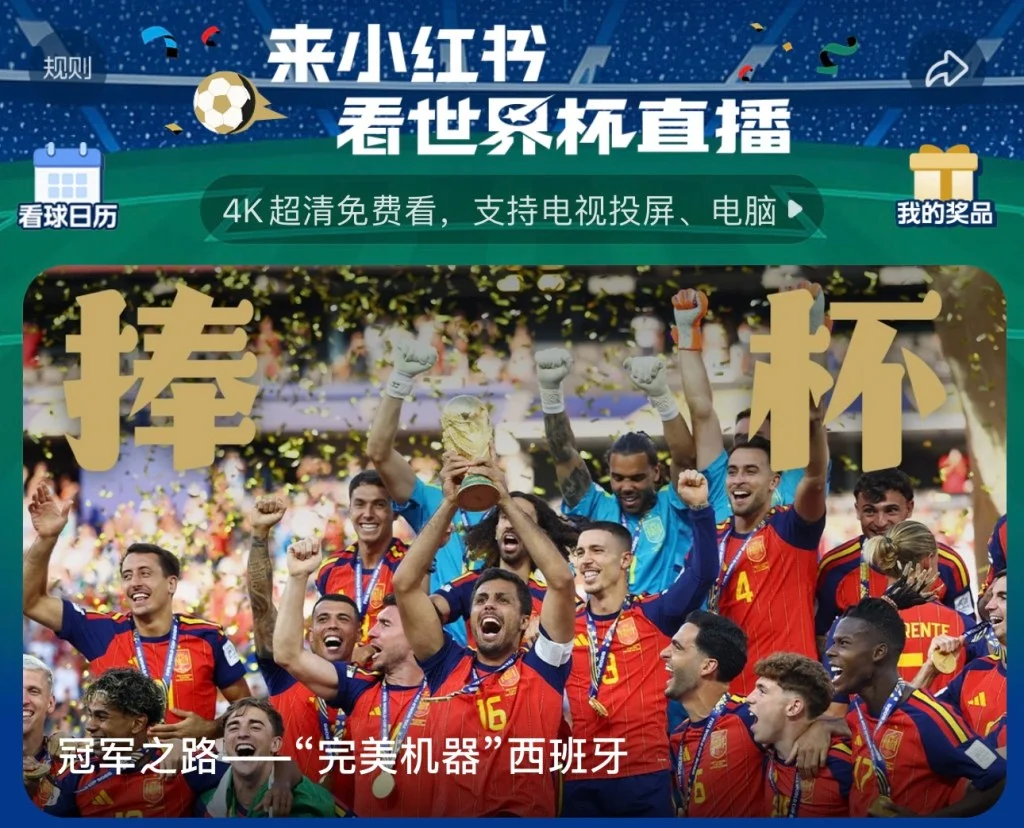
As the FIFA World Cup wrapped up with Spain's victory, Xiaohongshu took a noteworthy step into premium sports broadcasting. Over 39 days and 104 matches, the platform showcased its livestreaming capabilities while attempting to redefine user engagement through long-form video content. This is more significant than it looks; it signals Xiaohongshu's ambition to evolve from a platform that primarily dealt in quick, digestible snippets to one that can hold users' attention for longer periods.
Explosive Interest in Football Content
Xiaohongshu noted a remarkable uplift in user activity, with daily searches for football-related topics tripling compared to the previous tournament. This sudden spike indicates a highly engaged audience, one that's invested in not just fleeting updates but deeper interactions with content. Time spent on the platform doubled compared to the previous month, with viewers averaging more than 52 minutes per match. The statistics reveal a significant behavioral shift among users; they’re willing to invest time in extended livestreams that align with their interests.
This trend is particularly remarkable because Xiaohongshu has traditionally catered to a demographic focused on brief lifestyle posts and videos. Now, users are demonstrating a palpable appetite for lengthy sports content, suggesting that such media can reshape viewing habits drastically. This could have implications beyond sports; if users are drawn to longer formats here, they might seek similar experiences in other categories.
Leveraging Community Engagement
Leading up to the tournament, there was doubt regarding Xiaohongshu's ability to fully capitalize on the traffic generated by a major global stadium event. Yet, on the tournament's opening day, posts related to football soared to 27 times more than during the kickoff of the 2022 Qatar World Cup. The extent of user engagement was also evident in the dynamic discussions occurring across 1,390 dedicated communities, pulling in more than 10 million users. This is especially striking for a platform that previously thrived on lifestyle and product-centric content.
Xiaohongshu didn’t stop at just broadcasting matches; it supplemented this with community-generated content that added layers of depth to the viewing experience. This included tactical breakdowns from former players like Fan Zhiyi and Xie Hui, along with lifestyle tips that resonated with casual fans. (And this is the part most people overlook.) By creating a platform for dialogue and interaction around the content, Xiaohongshu effectively transformed passive viewers into active participants in community discussions. This multi-faceted strategy could make the experience feel richer and create a lasting connection between users and the platform.
Shifts in User Demographics
The broadcast seems to have tapped into a different audience demographic; male users made up about 60% of livestream viewers during the group stages and surged to roughly 80% during knockout rounds. What's compelling is the feedback loop emerging here—users who initially came for World Cup content have started to explore other community interests such as motorcycles and consumer tech. This indicates a shift in Xiaohongshu's user base, potentially diversifying its audience and expanding the platform's reach.
This demographic shift holds particular significance. If Xiaohongshu can successfully attract and retain a broader range of users, it could secure itself as a major player not just in sports broadcasting, but in a variety of lifestyle categories. However, maintaining this momentum may prove difficult, as initial interest in sports could wane in the absence of ongoing events.
Challenges Ahead for Sustained Engagement
Yet the looming question remains: how will Xiaohongshu transform event-driven traffic into enduring user loyalty? The end of the World Cup marks a critical juncture for the platform. To sustain interest, Xiaohongshu plans to cover 12 domestic football leagues, including the Shanghai Street Super League. This strategic adjustment seeks to keep football at the forefront of conversation, bridging the gap between large-scale events and everyday engagement. However, doing so isn’t easy—once the initial excitement fades, maintaining viewer engagement often becomes a formidable challenge.
For Xiaohongshu, this World Cup served as a pivotal pilot in expanding its content strategy. As it experiments with long-form livestreaming, the platform's future will depend heavily on whether this blend of sports broadcasting and community-driven content can generate meaningful, lasting engagement. If these initiatives are successful, they could reshape how users interact with content on Xiaohongshu. But there's no guarantee; user habits can be notoriously fickle, and sustaining momentum could prove to be a steep uphill battle.
The Bigger Picture: Implications and Future Outlook
The implications of Xiaohongshu's foray into long-form content extend beyond just viewership numbers. This strategic shift may redefine its competitive stance against established players in the sports streaming market. If the platform can foster a community around its sports content, it might not just retain its current users but attract new ones who are keen on more than just quick hits of entertainment.
Moreover, the blending of lifestyle content with sports broadcasting could become a model for other platforms attempting to engage audiences deeply. If you're working in this space, this is something you'd want to watch closely. Success in this arena could signal to other digital platforms that multifaceted engagement strategies are worth pursuing to build user loyalty. For Xiaohongshu, this isn't just about football; it's about carving out a unique niche in an increasingly crowded market and turning fleeting events into lasting connections.