New Tactics in Permit Fee Fraud: The Urgency of Enhanced Detection Methods
A sophisticated scam is targeting property owners by mimicking city and county planning departments, sending authentic-looking requests for payment tied to fictitious permit fees. These scammers pressure victims into wiring money to accounts that are difficult to trace due to their successful gameplaying of fraud detection systems. Recent research from CYBERA highlights the efficacy of engaging with this operation to identify specific beneficiary accounts and reveals why traditional fraud scoring often falls short.
The FBI Raises Concerns
On March 9, 2026, the FBI’s Internet Crime Complaint Center issued a warning about perpetrators posing as government officials to siphon funds through fraudulent permit fees. This isn't just a minor blip; it's a systematic exploitation of a trusting public, with criminals leveraging publicly accessible permit records to identify individuals who might be vulnerable—those with active applications. The demands for payment, often presented as urgent, can be sent via wire transfer or cryptocurrency, further complicating efforts to trace these funds and recover losses.
This type of fraud has surged dramatically, according to the FBI’s 2025 Internet Crime Report, indicating nearly $798 million in reported losses. That's a staggering amount, reflecting the scale of the problem. While the FBI's alert raises awareness, it does little to assist financial institutions in screening transactions against the elevated risks posed by such impersonation scams. Financial institutions often find themselves ill-equipped to manage these sophisticated fraud tactics, with traditional detection systems falling short.
The Flaw in Payment Authorization
A significant challenge arises when victims authorize payments themselves. When a person willingly authorizes a payment, the fraud becomes harder to detect; in these scenarios, both the customer and their login credentials are legitimate. This dynamic masks the fraudulent activity, as conventional fraud detection systems typically focus on identifying unusual patterns or account takeovers. Consequently, customer-authorized transactions may receive low-risk scores, allowing funds to move without hindrance, almost as if they were invisible.
The indicators of fraud don't lie in the sender’s actions but rather in the recipient account. This mule account, where the scam proceeds are directed, acts as a primary marker differentiating fraudulent payments from legitimate ones. If you're working in this space, consider this: it’s the destination that holds the crucial signal. Understanding the behaviors associated with these mule accounts can lead to more informed fraud detection protocols.
Insights from Direct Engagement with Scammers
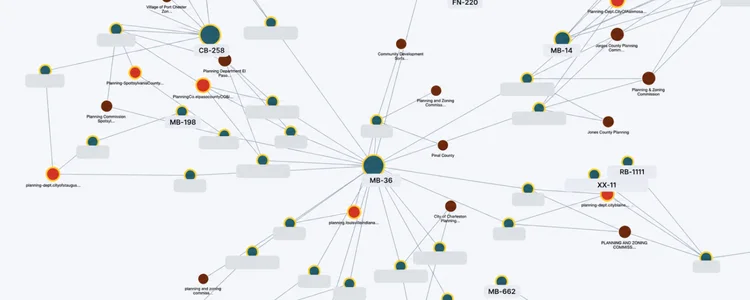
Research from CYBERA, which has been tracking a particular fraud operation named Diligent Planner since September 2025, presents a compelling case for adopting direct engagement methods. Rather than relying solely on risk estimations, their analysts propose that interacting directly with the scam networks provides unique insights. By pinpointing the exact accounts that criminals share with their victims for wire transfers, they're able to create a more effective mitigation strategy.
This hands-on approach has yielded a total of 53 authenticated mule accounts across 23 distinct email campaigns. The concentration of these accounts—roughly 55%—within two specific beneficiary banks raises eyebrows about whether those banks might be hosting a significant number of these fraudulent operations. What does this mean for financial institutions? It underscores that these accounts are more actionable than general risk scores based on historical data and statistical models.
Future Implications of These Findings
This emerging methodology challenges conventional wisdom about fraud detection. Combining direct engagement with traditional analysis could transform how financial institutions approach fraud prevention. Instead of relying on risk scores alone, an integrated strategy that includes insights from active scam interactions can help to more accurately identify and shut down these operations.
The implications are significant: if banks can refine their detection strategies to focus more on the destination accounts, they may thwart these scams before they cause substantial damage. It also raises questions about accountability—should banks be doing more to protect clients from these types of nuanced frauds? This isn't just a compliance issue; it's about trust and responsibility in an increasingly digitized economy.
As the scam landscape continues to evolve, strategies that emphasize active intelligence gathering will likely become essential. And yet, will financial institutions adapt quickly enough? That's the lingering question for stakeholders involved in fraud detection. Rest assured, those who can anticipate and adapt will lead the charge in protecting consumers and their assets.