AI-Generated Film Hell Grind Debuts at Cannes, Redefining Cinema Production
AI Film Shifts Cinematic Paradigms at Cannes
The 79th Cannes Film Festival witnessed a remarkable entry from ByteDance’s cloud division, Volcengine, showcasing its Seedance 2.0 model through the premiere of Hell Grind. This 95-minute feature film is touted as a pioneering achievement in AI filmmaking, being the first full-length movie generated by artificial intelligence. What makes this development particularly intriguing is how it challenges existing notions of creativity, authorship, and production timelines within the film industry.
Breaking New Ground in Long-Form Content
Produced by the US-based AI firm Higgsfield, Hell Grind represents a significant evolution in AI-generated media. Unlike many existing AI tools that cap out at short clips, this film showcases a cohesive narrative that highlights advancements in generating lengthy, professional-quality content. Traditionally, crafting long films has been fraught with challenges, including visual inconsistencies and erratic character representations, but Seedance 2.0 seems to have successfully navigated these hurdles. The ability to generate longer content isn't merely a technical feat; it marks a pivotal shift in how audiences engage with stories told through digital means.
Historically, longer narratives have required extensive human oversight, but AI's growing capabilities raise concerns about what defines creativity. Are we entering an era where the machine holds a significant part of the creative process? Or will the essential human touch remain irreplaceable, regardless of the technology in play?
Narrative Depth and Production Feasibility
The plot follows four street kids—Roko, Jaxx, Lulu, and Rein—who uncover a mysterious artifact in a museum, unleashing dark forces while gaining superpowers themselves. This narrative arc immerses viewers in a world where the lines blur between reality and magic, embodying a compelling story crafted entirely by AI. The complexities of the story, as described, resemble the foundational themes found in many traditional films, suggesting the potential for AI to engage audiences in new and imaginative ways.
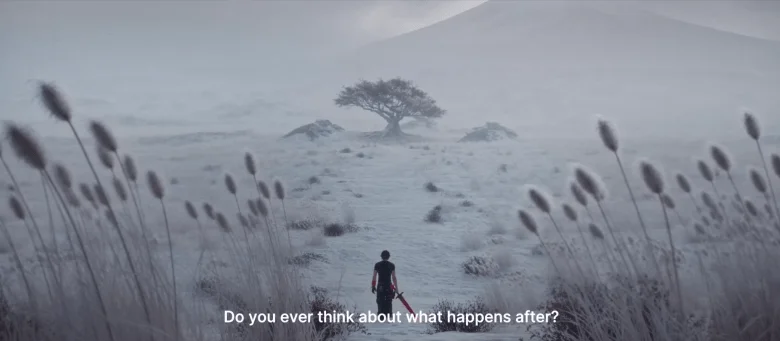
Industry expert Chuck Russell provided feedback after an early screening, noting his emotional connection to the characters, a rarity in AI-generated cinema. This acknowledgment underscores the narrative's effectiveness, showcasing AI's potential to craft relatable, engaging characters that resonate with viewers. This emotional engagement draws a significant question: Can AI truly replicate the nuances of human storytelling, or does it merely mimic patterns established by human creators? Answers to these questions are foundational to understanding AI's role in the arts.
Lightning-Fast Production Teams
Impressively, the film was assembled by a mere 15-person crew within a swift 14-day timeframe, all while coming in under a $500,000 budget. In stark contrast, traditional productions of this magnitude are often encumbered by costs reaching into the millions. This radical cost and time efficiency raises pressing questions about the future financial structure of filmmaking. If filmmaking continues down this path, how will traditional studios adapt? Will they be able to compete effectively with productions utilizing advanced AI like Seedance 2.0 that streamline processes while retaining narrative integrity?
Implications for the Film Industry
As noted by Higgsfield co-founder Alex Mashrabov, this advancement hints at an already mature technical framework for AI-driven filmmaking, poised to bring ambitious projects to life at a fraction of the cost. If this trend continues, the bottleneck in filmmaking could evolve from budget constraints to choices made by creative directors, thereby opening the door for a broader range of independent storytellers. This democratization of film production presents both opportunities and challenges. In theory, more creators gain access to cinematic tools. In practice, however, not all content will resonate equally, potentially leading to a dilution of quality or a saturation of the market.
Future Considerations and Creative Dynamics
This shift prompts critical discussions on the industry's structure and authorship. With faster production times and lower budgets, lower-tier production roles face potential displacement. Creative professionals who once thrived in these environments may find themselves at a disadvantage as AI takes over certain tasks, such as story development and even script-writing. Additionally, the authenticity of AI-created emotional narratives raises crucial questions about artistic intent versus algorithmic programming. Are we prepared for a future where algorithms filter creative insights?
As generative technologies become adept at crafting emotionally engaging stories, the role of human creators may pivot towards shaping the artistic vision rather than executing it. This shift could mean that the traditional aspects of storytelling, such as character development and plot evolution, need to adapt. What this means for you, if you're working in this space, is that you'll need to elevate your creative skills and strategic insights to stay competitive. And this is the part most people overlook: the human touch may turn into a premium asset in a world dominated by machine-generated content.