Om AI Pioneers Edge-Based AI Solutions for Real-World Applications
In the rapidly evolving world of AI, where traditional models take a back seat to deployment capabilities, Om AI Technology is emerging as a player to watch. Founded in 2021, this Chinese company opts out of the typical strategy of developing massive cloud-based models. Instead, it focuses on creating edge-centric general-purpose multimodal vision systems designed to integrate AI directly into devices like PCs, cameras, and robots. This strategic pivot could redefine how AI engages with end-users, emphasizing localized processing power over reliance on extensive cloud infrastructures.
OttoBox AI Studio: Empowering Media Professionals
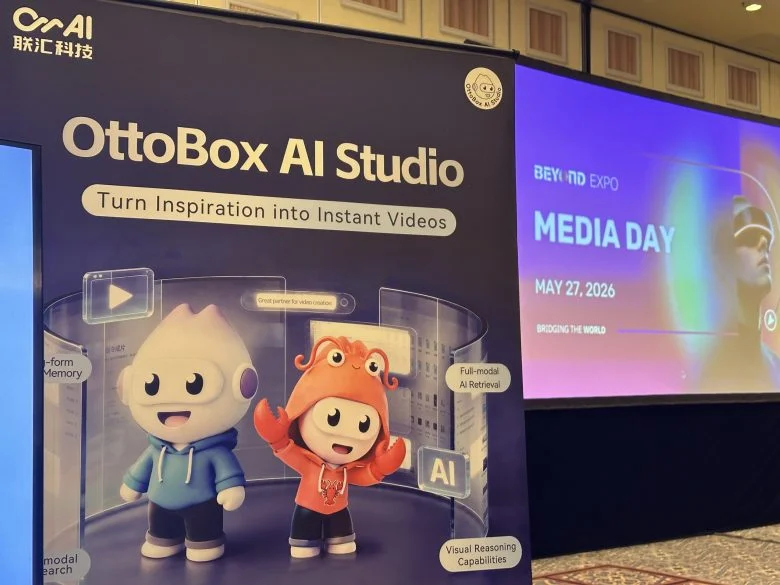
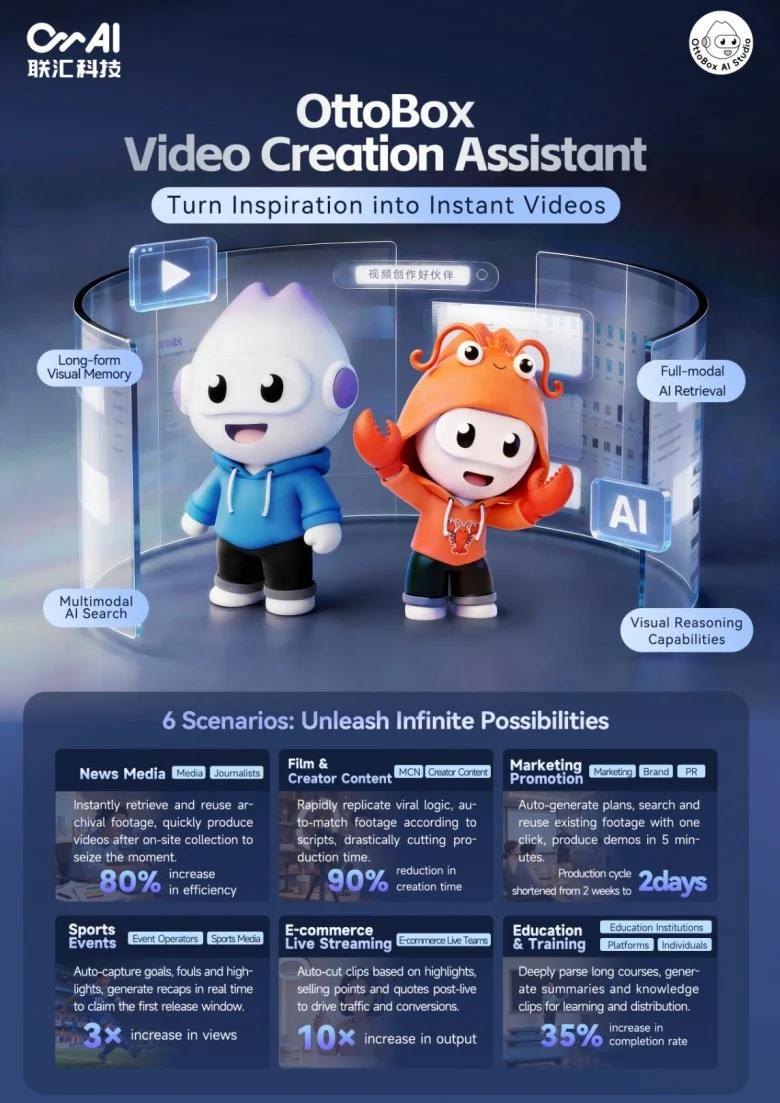
At the recent BEYOND Expo 2026, Om AI unveiled its OttoBox AI Studio, a product tailored specifically for media professionals. This innovative platform harnesses local AI computing power to facilitate tasks like video analysis, asset matching, script generation, and accelerated video production. What’s remarkable is the focus on enhancing productivity within the creative sector by minimizing the time and resources usually needed for complex video tasks.

This approach aims not just to increase efficiency but to redefine workflows in a field often plagued by bottlenecks. By empowering creatives with on-the-spot analytics and generation tools, Om AI may be tapping into a latent demand for faster turnaround times in media production. The implications for professionals in advertising, film, and streaming services could be substantial, potentially altering how these industries operate.
A Tailored Approach to AI Development
Unlike many AI firms that launch generalized models and subsequently adapt them, Om AI employs a more industry-specific methodology. The team consists of individuals with deep expertise in media and audiovisual sectors. This longstanding experience allows them to build models that effectively respond to actual challenges in these fields. CEO Dr. Zhao Tiancheng has stated that this level of involvement not only quickens the model deployment process but also ensures better access to high-quality, practical data.
With data quality being a persistent challenge in AI, particularly for media applications, this focus on real-world applicability and context may give them a competitive edge. After all, the efficacy of an AI system largely hinges on the relevance and quality of the data it processes. If you're working in this space, you'll agree that a strong data foundation can elevate a system's effectiveness significantly.
High Efficiency with Low Parameter Models
Central to the company's strategy is achieving video understanding through low-parameter models. This marks a departure from the industry trend of relying heavily on vast parameter counts and extensive cloud-based GPU resources. By emphasizing smaller, efficient edge models, Om AI not only aims for cost reductions in inference and data usage but also enhances security and privacy for enterprise clients. If you're familiar with the common concerns about data security in cloud environments, this strategy resonates.
This edge-focused model proves particularly advantageous for large-scale video analytics, where the ability to achieve millisecond-level inference speeds becomes crucial for real-time applications. Consider contexts like security surveillance, industrial inspections, and AIoT analytics, where rapid decision-making can impact safety or operational efficiency. Om AI seems poised to fill these gaps effectively.
Strategic Partnerships and Inclusive Applications
Currently, Om AI operates across three primary sectors: AI PCs, AIoT, and embodied intelligence. Their strategic partnerships with industry giants like Apple, Lenovo, and HP have facilitated the integration of their models into various robotic applications. This collaboration enables smarter decision-making capabilities in drones and robots, which could usher in new levels of automation and efficiency.
Moreover, the company is exploring inclusive AI initiatives, as seen with its Homer App. This app aids visually impaired users in object searches and navigation through smartphones or AI glasses, highlighting Om AI's commitment to social responsibility. (And this is the part most people overlook.) Including accessibility in AI applications isn't just ethical; it can also unlock new markets for companies willing to invest in such technology.
The Future of AI Deployment
OttoBox AI Studio’s flagship version enhances collaboration with top PC manufacturers, ensuring a ready-to-use experience for professionals in the field. As the company readies the launch of its next-generation edge multimodal model, VLX, Om AI aims to further advance video analysis and decision-making capabilities while lowering operational costs. This focus reflects a broader industry shift from cloud-centric approaches to on-device solutions.
This transition hints at a future where practical multimodal AI applications are not just aspirational but readily accessible across various industries. As companies like Om AI lead the charge, the implications for how we interact with technology could be profound, making AI tools more integrated into daily workflows. What this means for you is that the way media, security, and even healthcare might function could dramatically shift, increasing speed, lowering costs, and enhancing overall effectiveness.