Lenovo Innovation Accelerator: Bridging Chinese Tech Startups with Global Markets
As the AI sector evolves beyond mere parameter scaling, startups need to demonstrate tangible applications that address real-world challenges. The Lenovo Innovation Accelerator recognizes this shift and is strategically positioned to assist Chinese hard-tech startups in transitioning from innovation to commercialization.
Showcasing Potential at BEYOND Expo 2026
At the recent BEYOND Expo 2026, Lenovo highlighted nine promising startups, including Hangzhou Om AI Technology, Meta-Bounds, and AutoArk. These companies underscored Lenovo's ecosystem strategy targeting three key domains: AI edge intelligence, proactive AI hardware integration, and advanced manufacturing. Each startup serves as an example of how focused investments can yield meaningful advancements in critical tech sectors.
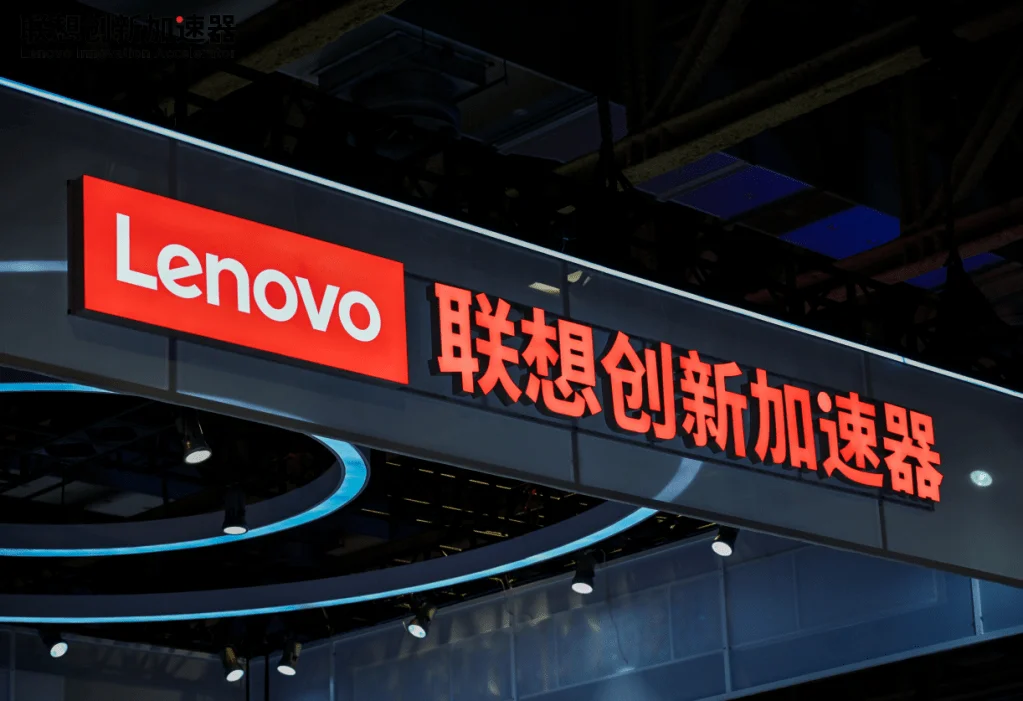
Exhibits ranged from innovative RISC-V AI chips to advanced Micro-LED technology, illustrating the blend of digital and physical realms that Lenovo anticipates for the future of the AI industry. This is crucial because technology isn't just about innovation for innovation's sake; it's about integrating new solutions into existing frameworks in ways that generate value and meet consumer expectations.
A Comprehensive Support System
Since its inception in 2022, the Lenovo Innovation Accelerator has sought to create a holistic innovation platform, going beyond traditional investment. This initiative encompasses every aspect of transforming ideas into market-ready products, from productization and supply chain logistics to fostering collaboration within its ecosystem. It’s a framework designed for those startups that might struggle with the complexities of market entry.
Lenovo draws on the belief that collaboration drives real innovation, positioning itself as a facilitator of mutual growth between the accelerator and participating startups. This synergistic approach not only helps startups develop but also equips Lenovo with fresh technologies. By promoting a collaborative environment, Lenovo’s accelerator acts as a breeding ground for ideas that challenge status quos.
Prioritizing Sustainable Partnerships
Unlike typical venture capital entities, the accelerator emphasizes sustainable business relationships and practical outcomes over mere financial returns. By connecting startups to Lenovo's extensive global supply chain, production capabilities, and sales networks, the initiative enables a swift transformation of emerging technologies into scalable offerings. This kind of infrastructure is often lacking in startups, making Lenovo’s initiative especially significant.
Moreover, many of these startups evolve into Lenovo customers or partners, reinforcing a self-sustaining ecosystem. This dual role of nurturing and partnership ensures both parties benefit, which can lead to longer-lasting and more impactful projects.
Targeting AI Applications and Hardware
The accelerator currently concentrates on AI-centric applications and native hardware solutions. On the software side, its focus is on vertical applications that solve genuine problems for businesses and consumers, particularly those that can be deployed directly on devices. What this means for you, if you’re working in this space, is that the demand is shifting towards solutions that are practical and easy to integrate into everyday operations.
This approach enhances operational efficiency while maintaining strong security standards, which is a priority in today’s vulnerability-laden digital environment. For hardware, Lenovo aims to develop next-generation devices tailored for AI capabilities, thus enabling a more intuitive user experience. This integration is not merely about capability—it’s about creating an ecosystem where software and hardware advancements propel each other forward.
Evaluating Innovators
When assessing potential startup teams, Lenovo prioritizes technical capability and execution prowess. The accelerator envisions itself as a nurturing platform for promising technologies and impactful ideas while also evaluating the endurance and market-readiness of projects. Startups must demonstrate not just innovative designs but also a clear path to profitability and sustainability, which could make or break their success in the competitive tech landscape.
Over the last three years, the initiative has successfully implemented over 100 commercialization projects. Notable successes include the Focus Sound Screen PC, which has entered mass production, and the integration of Taifang's elastic wave technology into Lenovo laptops, achieving significant shipment milestones. This shows that the accelerator isn’t just about theoretical applications—it's delivering real products that meet market needs.
Expanding Global Reach
On a global scale, the Lenovo Innovation Accelerator is instrumental in helping Chinese startups access international markets, leveraging Lenovo’s established supply chains and business insights. The program aims to break down barriers to market entry influenced by local cultures and practices. This is more significant than it looks; many startups face steep challenges when attempting to tap into foreign markets.
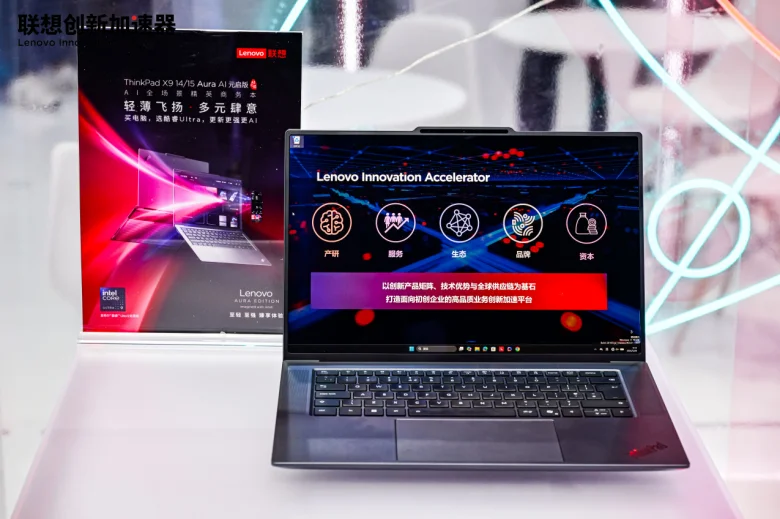
Through participation in international technology showcases like BEYOND Expo, startups are encouraged to adopt a global mindset. This year, Silicon Valley has emerged as a focal point for expansion, with plans to broaden Lenovo's international network and foster a more inclusive global innovation ecosystem. This effort underscores the accelerator’s commitment to not only cultivate local talent but also to integrate that talent within the global market context.
Connecting Innovation to Global Markets
As the competitive arena of AI shifts from foundational models to application and hardware integration, the Lenovo Innovation Accelerator is set to be the conduit linking Chinese innovations with global opportunities. It aims not only to nurture startups but also to cultivate a genuinely collaborative and open technological ecosystem worldwide. Here's the thing: without such platforms, many potentially transformative technologies could languish in obscurity, their creators unable to bring them to fruition.
Future Outlook and Implications
The shift seen in the Lenovo Innovation Accelerator is echoed throughout tech hubs globally, where collaboration and application-centric approaches are becoming standard practice. This trend reflects a broader understanding that for technologies to thrive, they need to be supported by robust infrastructure and strategic partnerships. As markets continue to evolve, initiatives like this will likely play pivotal roles in shaping the future landscape of technology.
Looking ahead, we may witness increased inter-company collaborations and innovations sparked by environments that encourage cross-pollination of ideas. And this is the part most people overlook: the true strength of such accelerators lies not just in their support for startups but in their ability to transform how entire industries think about innovation. The Lenovo Innovation Accelerator isn’t merely building products; it’s building a foundation for future progress in AI and hard-tech sectors.